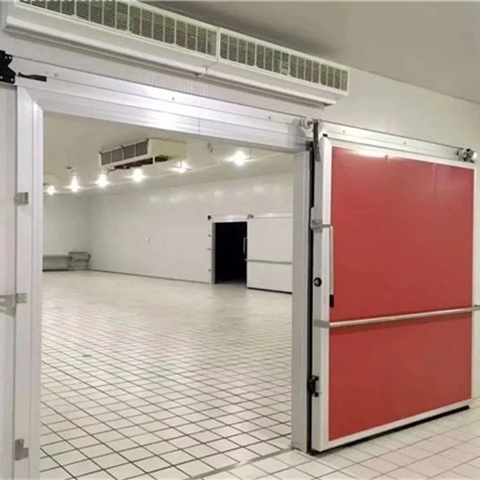
Choosing the right cold storage door is crucial for ensuring the normal operation of the cold storage, saving energy, and protecting the quality of stored goods. Here are some key considerations to help you make an informed choice:
I. Understanding Cold Storage Temperature Requirements
Low-temperature walk in freezer (typically below 0°C) and refrigerated storage (typically between 0°C and 10°C) require different types of doors to meet their temperature requirements. Freezer storage, in particular (typically below -20°C), requires even higher levels of insulation.
II. Choosing the Right Cold Storage Doors Material
1. Metals: Such as stainless steel or galvanized steel, offering excellent corrosion resistance and suitable for high-humidity environments. Stainless steel doors are especially suitable for corrosive environments such as food factories and seafood processing plants.
2. Composite Materials: Generally possessing good insulation properties, effectively reducing cold air loss and energy waste.
3. New Materials: Such as ABS, PE, and FRP, featuring corrosion resistance and impact resistance, have seen increasing applications in cold storage doors in recent years.
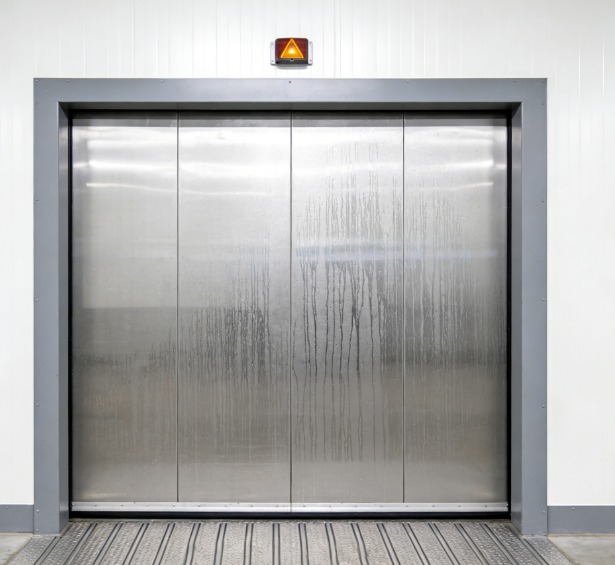
III. Considerations for Insulation and Sealing
1. Insulation Performance: This depends on the door's construction, insulation materials, and sealing performance. Choose a door with sufficient insulation to minimize cold air loss and energy waste.
2. Sealing Performance: A high-quality sealing system effectively prevents cold air leakage while preventing the entry of outside air. This is crucial for maintaining stable temperature and humidity inside the cold storage.
IV. Choosing the Appropriate Opening Method
1. Sliding Doors: Suitable for large cold storage facilities because they save space and provide a large opening.
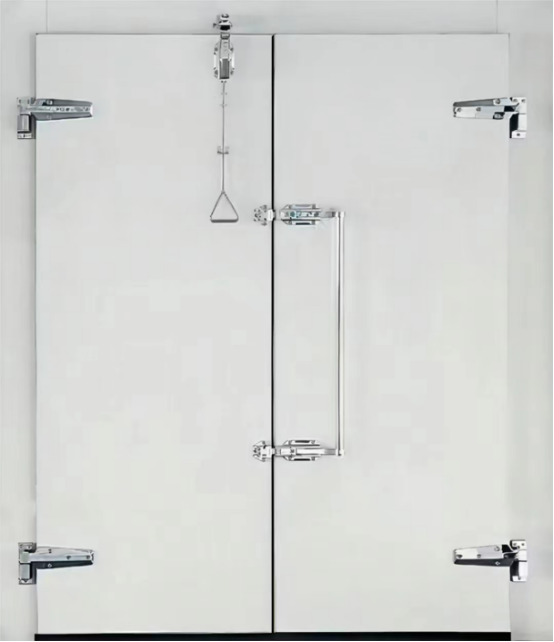
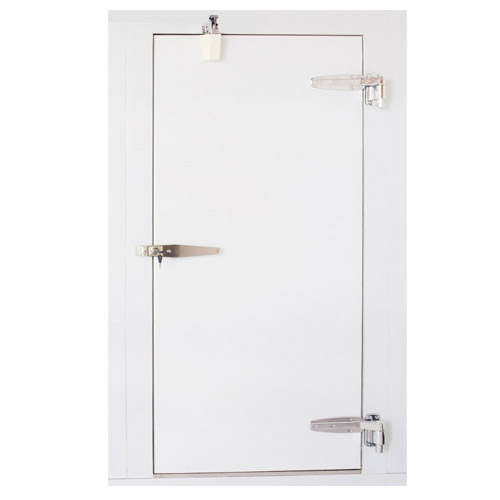
2. Swing Doors: Perhaps more suitable for smaller cold storage facilities because they are simple to use and less expensive.
3. High-Speed Roller Doors: Suitable for environments requiring frequent entry and exit because they can open and close quickly, reducing the loss of cold air.
V. Consider Door Durability and Maintenance Costs
Choose doors with high-quality components and materials to reduce maintenance and repair costs. Door durability is also an important consideration, as cold storage doors need to withstand the test of time and frequent use.
VI. Focus on Safety Performance
Consider the safety features of the door, such as anti-collision devices, safety sensors, and emergency stop buttons, to ensure safety during operation and use. Furthermore, the cold storage door should meet escape requirements, meaning it should be easily opened in an emergency.
In summary, choosing the right cold storage door requires comprehensive consideration of multiple factors, including temperature requirements, materials, insulation performance, sealing performance, opening method, durability, and safety features. By carefully evaluating these factors and collaborating with professionals, you can select the most suitable door for your cold storage to maintain cold chain stability and reduce operating costs.
Welcome to inquiry about products related to walk in freezer, condensing unit, and panels.
You also can check our Tiktok, Youtube, Instagram channel for more video show.