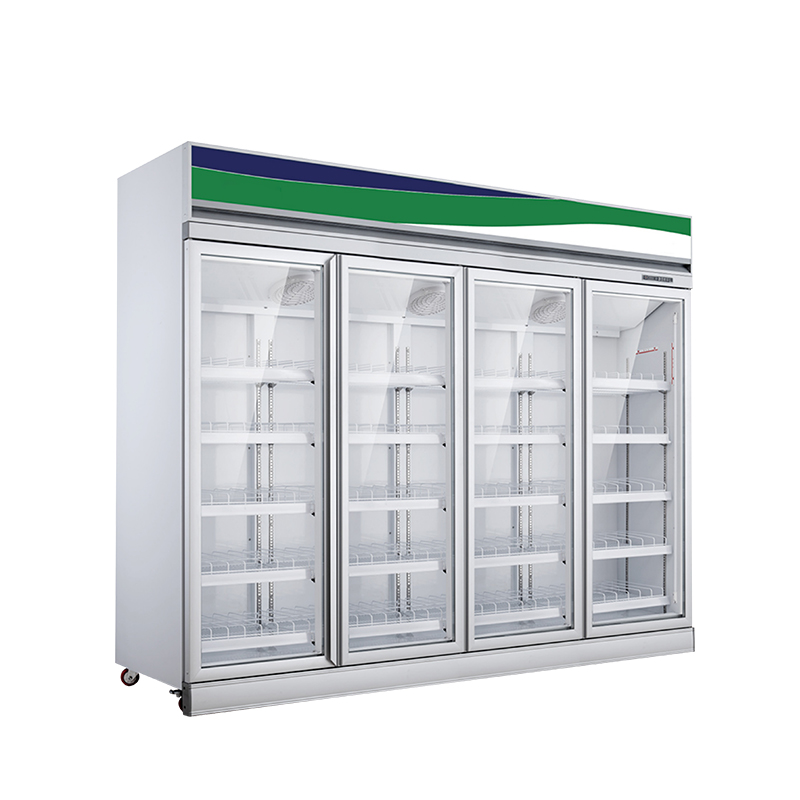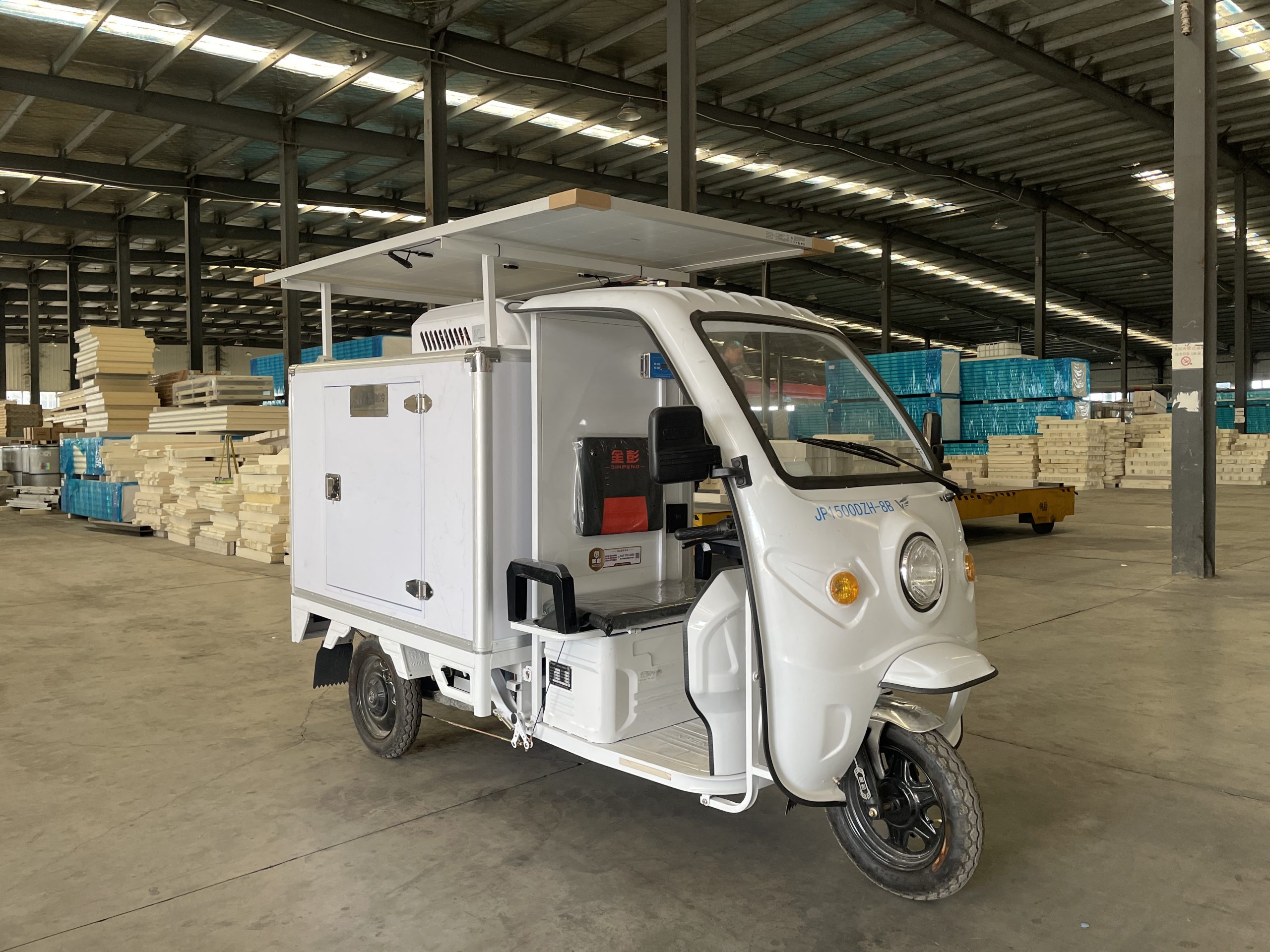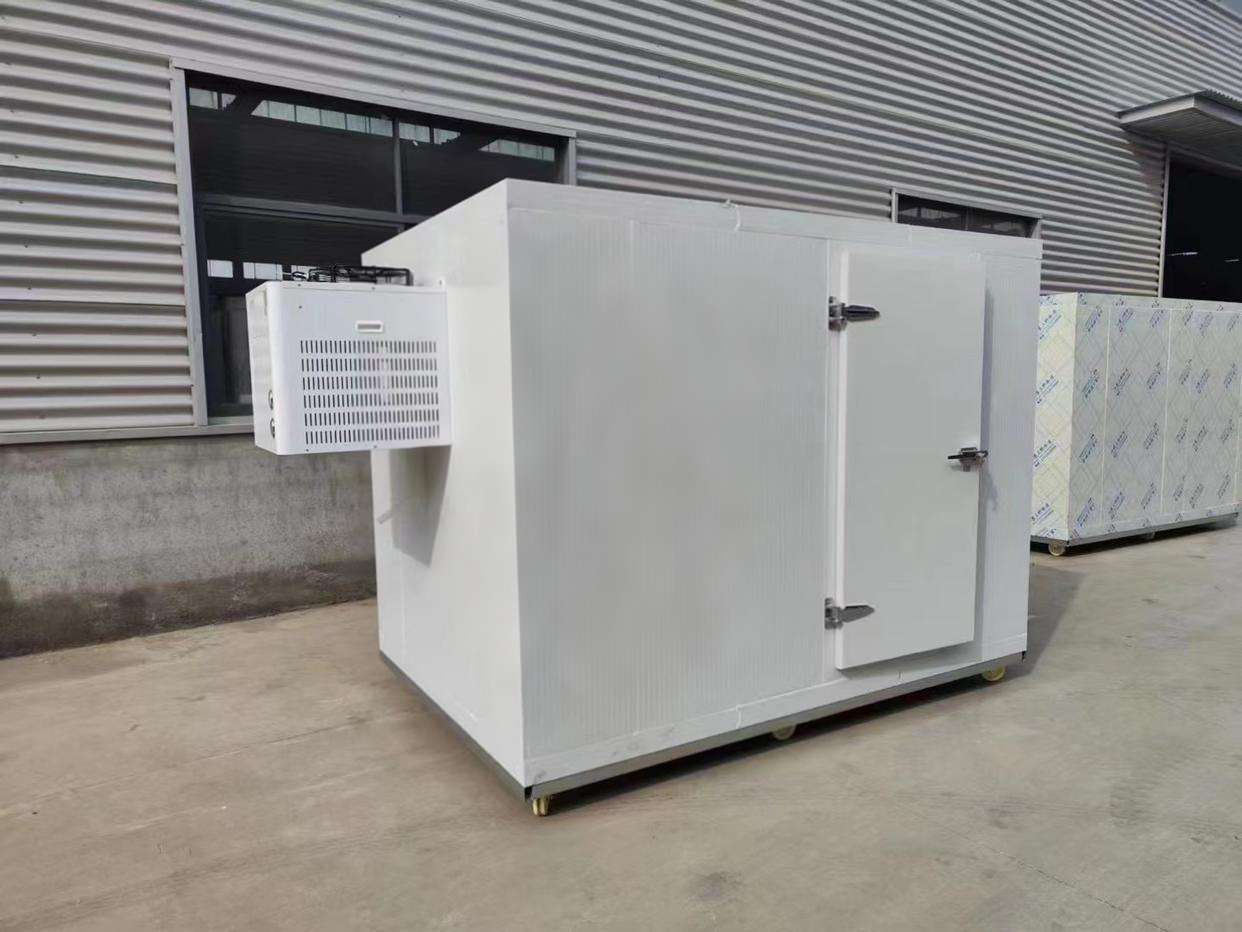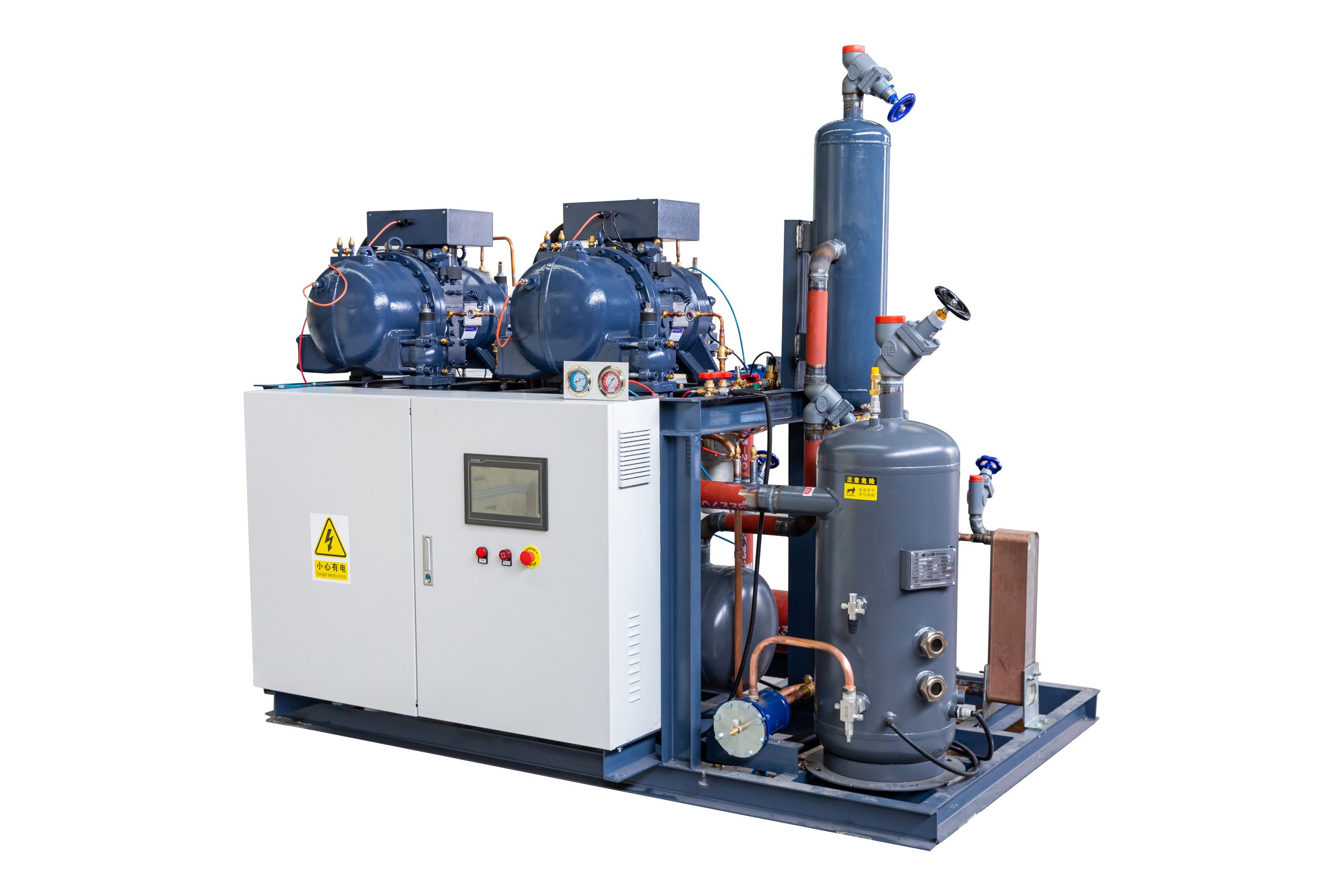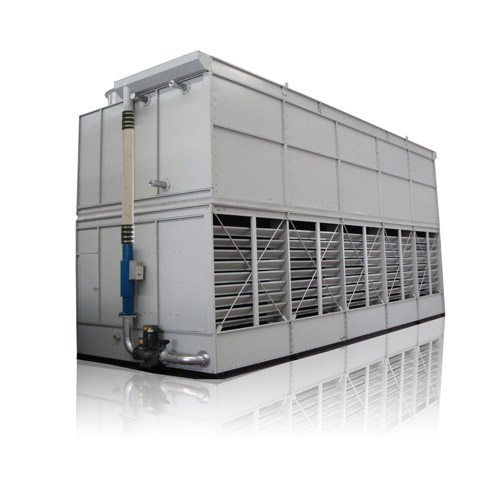
The key to building a cold storage lies in choosing the right materials. Four essential elements—materials, moisture-proofing, insulation, and sealing—are indispensable to lock in cold air and prevent thermal bridging. In addition, these elements extend the freshness of fruits, vegetables, and meat at a constant low temperature. Notably, cold storage for food preservation relies on these precise elements to be effective and reliable.
I. Choosing the Right Insulation Core Material for Cold Storage Construction
Double-sided color steel with polyurethane insulation is currently the mainstream choice, with a closed-cell rate ≥90% and a thermal conductivity ≤0.024 W/(m·K). At the same thickness, it blocks 30% more heat flow than polystyrene boards. Moreover, the design specification uses modular panels uniformly for walls, ceilings, and corners. Additionally, these have on-site tongue-and-groove joints and foaming at the seams to reduce thermal bridging. For the ground load-bearing area, the design specifies extruded polystyrene board + reinforced concrete, achieving a compressive strength ≥300 kPa. This ensures it won't collapse even after repeated forklift traffic. This setup is ideal when cold storage for food preservation is a top priority.
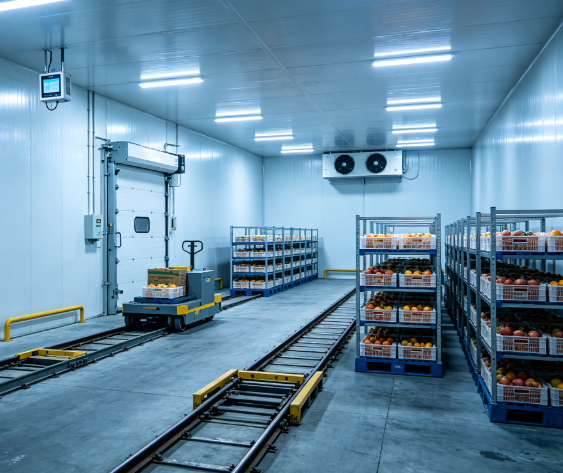
II. Moisture-proof and Vapor-barrier Layer: Often Overlooked but Crucial to Lifespan
Once moisture seeps into the insulation layer, condensation and powdering will occur inside the panels. As a result, they become unusable in less than ten years. The standard practice is to add a 0.3 mm PE film to the inside of the insulation board, with an overlap width of ≥10 cm, and seal it with butyl tape. Furthermore, we cover the outside with an SBS modified bitumen self-adhesive membrane, forming a "double insurance" with the building walls. Then, we seal door frames and the area around the air curtain machine with elastic waterproof adhesive to prevent "sweating."Effective moisture control measures are fundamental to cold storage for food preservation. This is because any moisture damage can compromise the contents stored inside.
III. Warehouse Doors and Sealing: Withstands Daily Opening and Closing
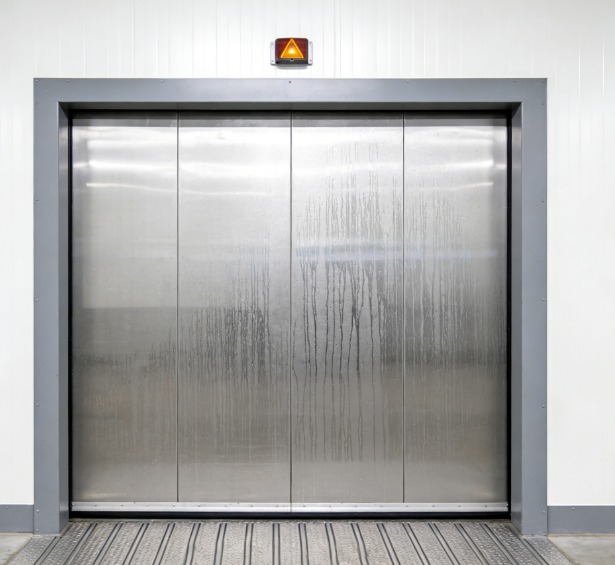
For stable temperature control in cold storage construction, the doors are the biggest vulnerability. We recommend using stainless steel sliding doors with a PU core of the same density as the panels. Furthermore, self-limiting heating wires around the perimeter prevent freezing. The door seal should have a double magnetic strip with an air bladder and a 1.5 N/cm² adsorption force. Automatic rebound after forklift impact is necessary. We recommend installing an air curtain machine in the doorway to form an air curtain, reducing heat exchange by 80% even after just one minute of opening and closing. Cold storage for food preservation requires us to properly seal all points of entry and equip them to prevent spoilage. This also maintains low temperatures.
IV. Flooring Materials: Both Insulation and Impact Resistance Required
In cold areas, the flooring utilizes a four-layer structure: compacted subgrade → 150 mm thick extruded polystyrene board → PE vapor barrier film → 120 mm frost-resistant concrete reinforced with φ12 double-layer bidirectional steel bars. After surface finishing, we apply a 3 mm polyurethane wear-resistant layer. In passageways, we can replace the surface layer with a corundum-cured floor. This is impact-resistant, dust-free, and waterproof after cleaning.
V. Auxiliary Materials Must Also Be Meticulous: Adhesives, Nails, and Seams Must Be Cold-Resistant
The adhesive must be a two-component polyurethane adhesive that does not become brittle at -50℃. Rivets should have nylon heat-insulating cores, with matching plastic caps on the nail heads to prevent metal-to-metal thermal bridging. The foaming density of board seams on-site should be ≥55 kg/m³, and the seams should be cut flat within 24 hours of foaming completion. Moreover, the seams should be sealed with ceramic adhesive to prevent shrinkage cracks over time. Furthermore, materials selected here should be compatible with cold storage for food preservation installations for optimal results.
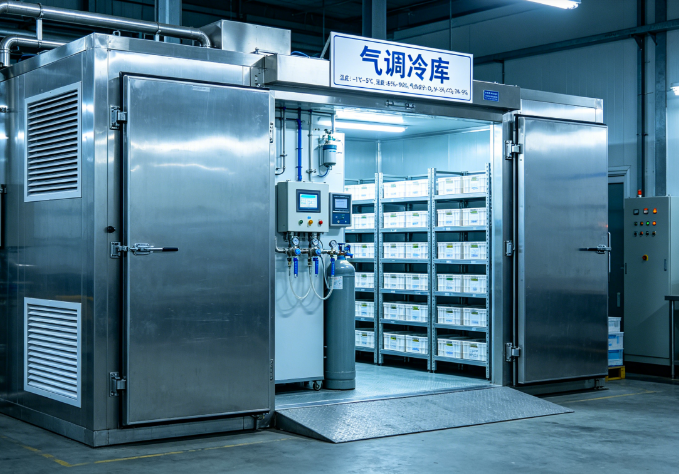
VI. Fire Prevention and Environmental Protection: No New Regulations Can Be Ignored
The insulation core material inside the cold storage must meet B1 flame retardant standards. The aluminum-zinc coating of the color steel panels must be ≥80 g/㎡, and the salt spray test must be ≥500 h. We must change the foaming agent to water-based cyclopentane with an ODP value of 0. This meets environmental protection acceptance requirements. Add L-shaped galvanized steel socket strips to the joints between the walls and the ceiling. These enhance corner strength and meet fire resistance requirements for metal components.
VII. Acceptance Tips: The Key Lies in Areas Invisible to the Naked Eye
After the cold storage is built, don't rush to lower the temperature. First, perform a 24-hour constant temperature "baking" test at 38℃ to allow residual foaming agent to evaporate. Then, lower the temperature to 0℃ and use an infrared thermal imager to scan the panel seams. Areas with a temperature difference >2℃ must be reworked. Place smoke pellets at the four corners of the door frame to check for smoke leakage. If you observe leakage, immediately adjust the magnetic strips. Once we complete the entire process and put the system into use, the control system can maintain temperature fluctuation in the storage within ±0.5°C. Additionally, the water loss rate of fruits and vegetables can be reduced by 30%, and the subsequent maintenance costs can be significantly reduced.
Welcome to inquiry about products related to walk in freezer, condensing unit, and panels.
You also can check our Tiktok, Youtube, Instagram channel for more video show.