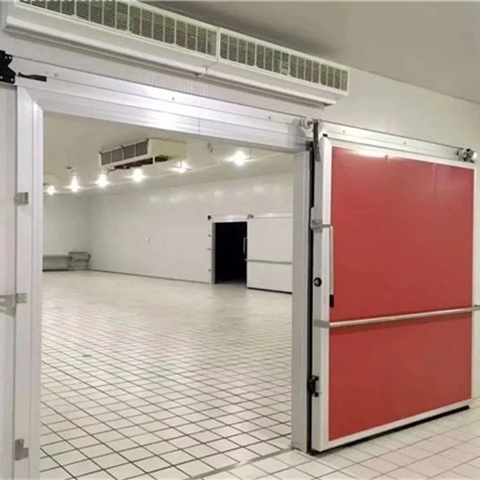
Cold storage facilities for food preservation are key facilities for extending the shelf life of food and ensuring food safety. There are also many common misconceptions about cold storage that can lead to inefficient use. However, many operational errors in daily operation of cold storage for food preservation can shorten the preservation period. They also increase energy consumption and even cause food spoilage and loss. The main errors concentrate in four aspects: storage, temperature and humidity control, equipment operation and maintenance, and inbound and outbound management. Among these, common misconceptions about cold storage often arise from a lack of proper training.
1. Common Misconceptions about Cold Storage:Improper stacking of goods
Many operators, in an effort to maximize storage capacity, stack goods tightly against the walls, evaporators, and floor of cold storage facilities, leaving no ventilation gaps. It's one of the most common misconceptions about cold storage. Stacking goods close to the walls easily leads to condensation and mold growth. Obstructing the evaporator hinders cold air circulation, and widening the temperature difference within the storage area causes surface food to freeze.
Meanwhile, central food spoils due to high temperatures. Furthermore, some people mix different types of food, storing fresh meat, fruits and vegetables, and cooked food together. Meat's blood and sweat breed bacteria, cross-contaminating fruits and vegetables. Cooked food absorbs the odors of raw food, significantly reducing food safety.
Additionally, overloading and stacking compresses the lower layers of packaging. This damages the protective layer of food and accelerates dehydration and spoilage. Effective cold storage for food preservation requires careful attention to stacking and separation methods.

2. A one-size-fits-all approach to temperature and humidity control, assuming that lower temperatures in cold storage will result in better preservation.
Fruits and vegetables are best preserved at 0-10℃. If placed in sub-zero freezing zones, they will develop frost spots, cell rupture, and become mushy. Meat and seafood require a stable freezing temperature of -18℃. Frequent temperature fluctuations cause ice crystals to repeatedly melt and refreeze, leading to dryness and nutrient loss. Humidity control is also neglected.
Too low humidity in fruit and vegetable storage will cause dehydration and wilting. In contrast, too high humidity will promote mold growth. Excessive humidity in cold storage can easily cause thick frost to form on the surface of goods, increasing the burden on defrosting equipment.
Some personnel arbitrarily turn off temperature controls and privately raise the temperature at night. Diurnal temperature fluctuations are a major cause of food spoilage. Therefore, optimizing humidity and temperature is crucial in cold storage for food preservation.
To sum up, common misconceptions about cold storage frequently affect temperature and humidity management. Ultimately, this harms preservation outcomes.
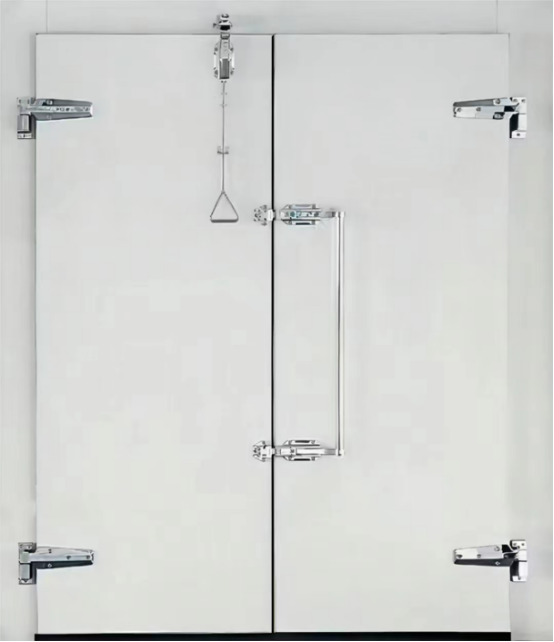
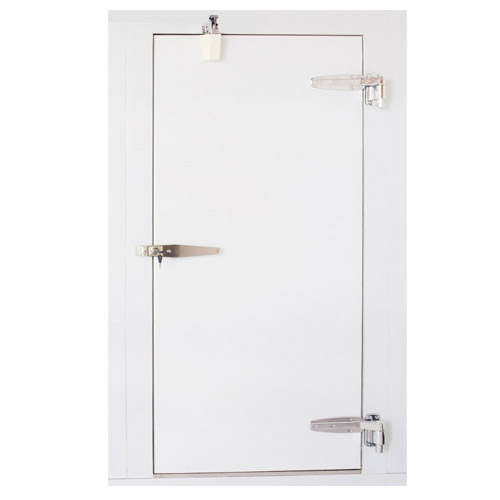
3. Poor management of storage doors, with frequent and prolonged opening for goods, leading to a large exchange of hot and cold air.
The entry of warm, humid outside air causes rapid frost formation on the evaporator, forcing the refrigeration unit to operate at high load, resulting in soaring electricity costs. Simultaneously, the temperature inside the storage rises sharply, causing cooled food to warm up again. This leads to rapid bacterial growth. Furthermore, failure to open and close doors promptly, and the failure to replace aging door seals, all contribute to continuous cold leakage from gaps. Over time, this doubles energy consumption and makes it difficult to maintain stable and compliant warehouse temperatures. Proper door management in cold storage for food preservation is essential to energy efficiency and product safety.

4. Common Misconceptions about Cold Storage:Neglecting equipment cleaning and regular maintenance.
Long-term neglect of cleaning evaporators, shelves, and floors, leaving behind blood, fruit and vegetable residue, breeds pathogens such as Salmonella and mold, contaminating stored food. Improper defrosting procedures, such as directly defrosting with goods in hand at high temperatures, cause drastic temperature fluctuations that damage food. Furthermore, many users only perform maintenance when the unit malfunctions and shuts down. They fail to clean condensers regularly, which hinders heat dissipation and reduces refrigeration efficiency. This shortens equipment lifespan and poses a risk of large-scale food spoilage. Consistent maintenance greatly enhances cold storage for food preservation results. This is yet another area impacted by common misconceptions about cold storage.
5. Lack of pre-treatment before storage; room-temperature food is directly placed into the warehouse.
Piling large quantities of high-temperature goods at once causes a sudden increase in the cooling load of the cold storage, making it impossible to reach the standard storage temperature for an extended period, leading to spoilage during the cooling process. Fruits and vegetables are not pre-cooled or sorted; damaged or rotten fruit is placed into the warehouse, allowing mold to spread rapidly and contaminate all goods. In summary, following proper procedures for cold storage for food preservation minimizes risks and improves quality. Notably, common misconceptions about cold storage practices can be avoided by adhering to professional guidelines.
Standardizing cold storage operations and avoiding these mistakes can reduce food loss, ensure food safety, reduce refrigeration energy consumption, and extend the lifespan of cold storage equipment.
Welcome to inquiry about products related to walk in freezer, condenser, and panels.
You also can check our Tiktok, Youtube, Instagram channel for more video show. For more on banana cold storage practices, follow us on social media.