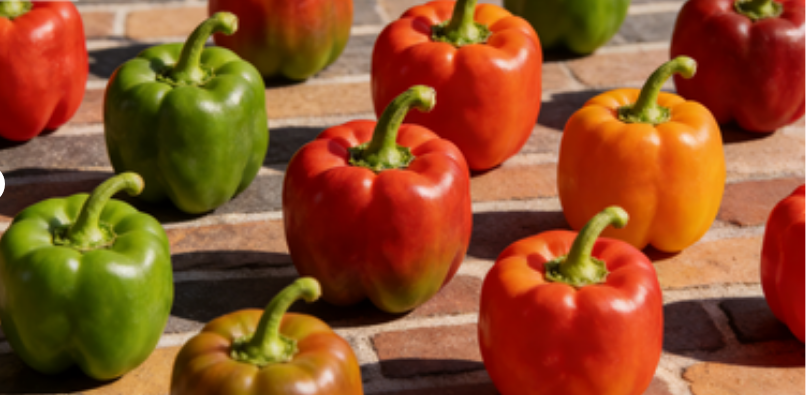
Crabapples are a highly nutritious fruit with a sweet and sour taste that is particularly delicious. However, during storage, crabapples respond sensitively to temperature, moisture, gas, and other environmental factors. Therefore, crabapples tolerate room temperature storage for only 10-15 days at most. After that, black spots, yellowing, and wilting will appear on the surface, affecting the quality and economic value of the fruit. To better maintain the freshness and taste of crabapples, cold storage, especially for crabapples, can effectively extend their shelf life and preserve their nutritional components. Cold storage also allows for off-season sales, increasing the economic value of crabapples and meeting the diverse seasonal consumption needs of consumers.
Methods and temperature requirements for long-term cold storage of crabapples:
1. Harvesting
To better preserve and store crabapples, harvesting is best done on a cloudy morning or a sunny morning. Avoid harvesting in strong sunlight. After harvesting, spread them out in a cool, shady place to prevent moisture loss due to sun exposure. Moreover, proper pre-storage handling ensures higher quality retention when crabapples enter cold storage.
2. Sorting
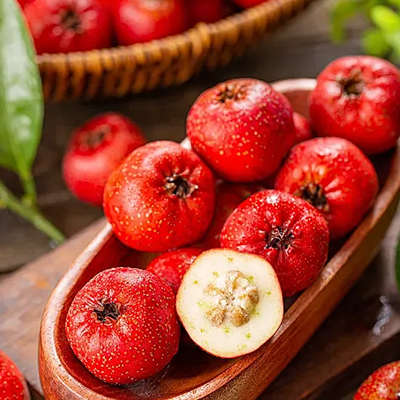
After harvesting, grade the crabapples according to size and quality. Remove diseased, insect-damaged, deformed, damaged, small, and cracked fruit. The sorting process determines the success of crabapple cold storage, as only high-quality fruit deserves preservation.
3. Pre-cooling
Pre-cooling is a necessary step in crabapple storage. Its main purpose is to reduce the respiration rate of the crabapples, facilitating storage and transportation. Pre-cooling also maintains the freshness of the stems and fruit, preventing fruit aging and extending the storage period. Use forced air pre-cooling, and complete the process within 48 hours. Pre-cooling helps prep crabapples for cold storage by slowing deterioration.
4. Cold Storage
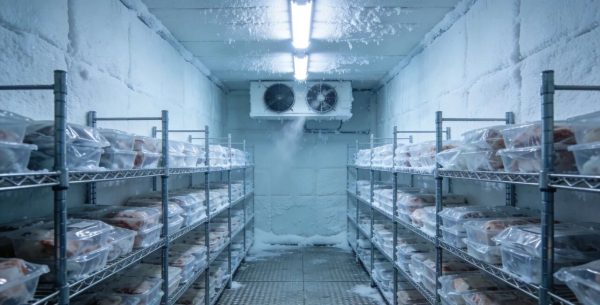
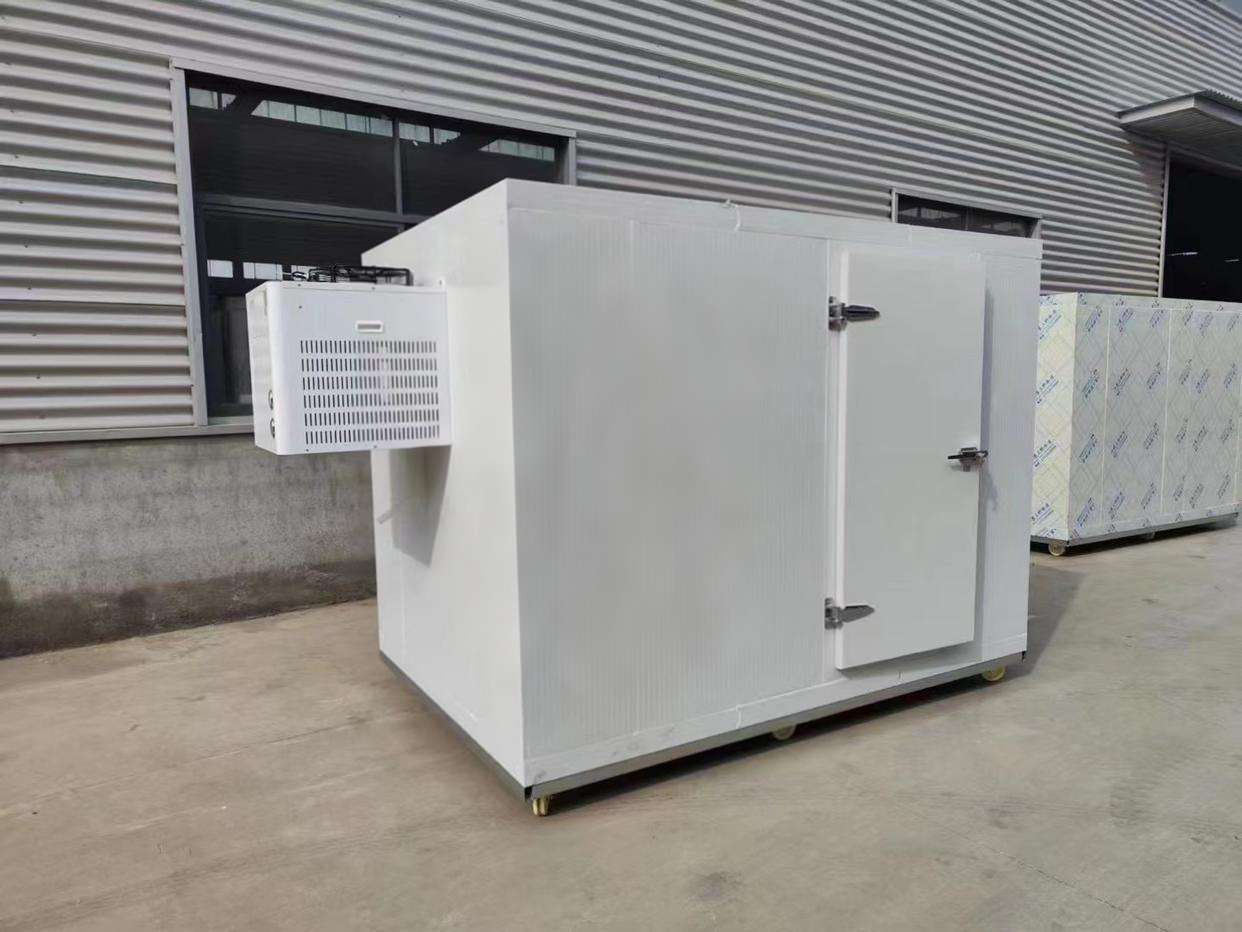
The suitable temperature for storing crabapples is 1-3℃. It is important to maintain a stable temperature within the cold storage. Maintain the safe storage temperature within ±1°C, and limit temperature fluctuations to no more than 2°C. Excessive temperature fluctuations can easily lead to mold growth and fruit rot. To delay softening and wilting caused by water loss, the relative humidity for crabapple storage should ideally be maintained at 75%-85%. If humidity is too high in the cold storage, place dry sawdust inside or provide proper ventilation to maintain stable humidity. For best results, crabapples cold storage should have optimal humidity and temperature control.
Actual evidence shows that crabapples stored in cold storage for 90 days still taste sweet and sour, and their appearance is not significantly different from when they were stored. At the same time, the rate of good fruit can reach more than 90%. In conclusion, with proper crabapples cold storage conditions, quality can be maintained for long periods.
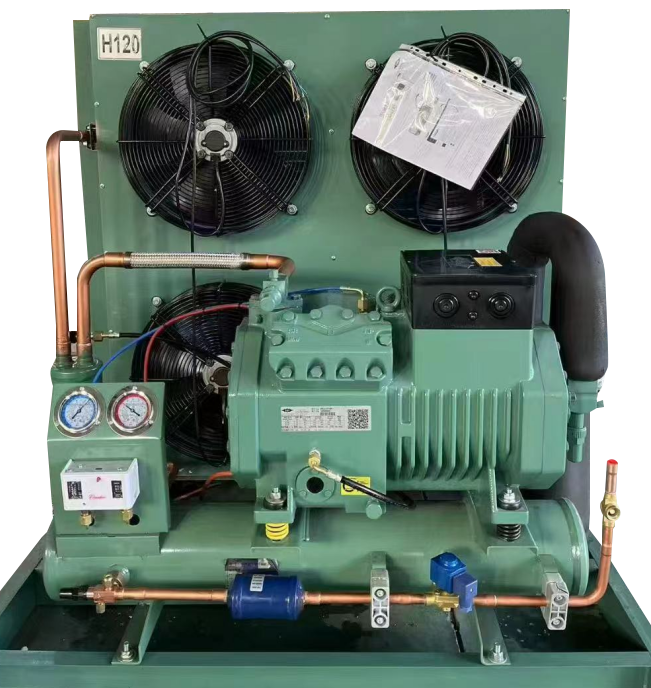
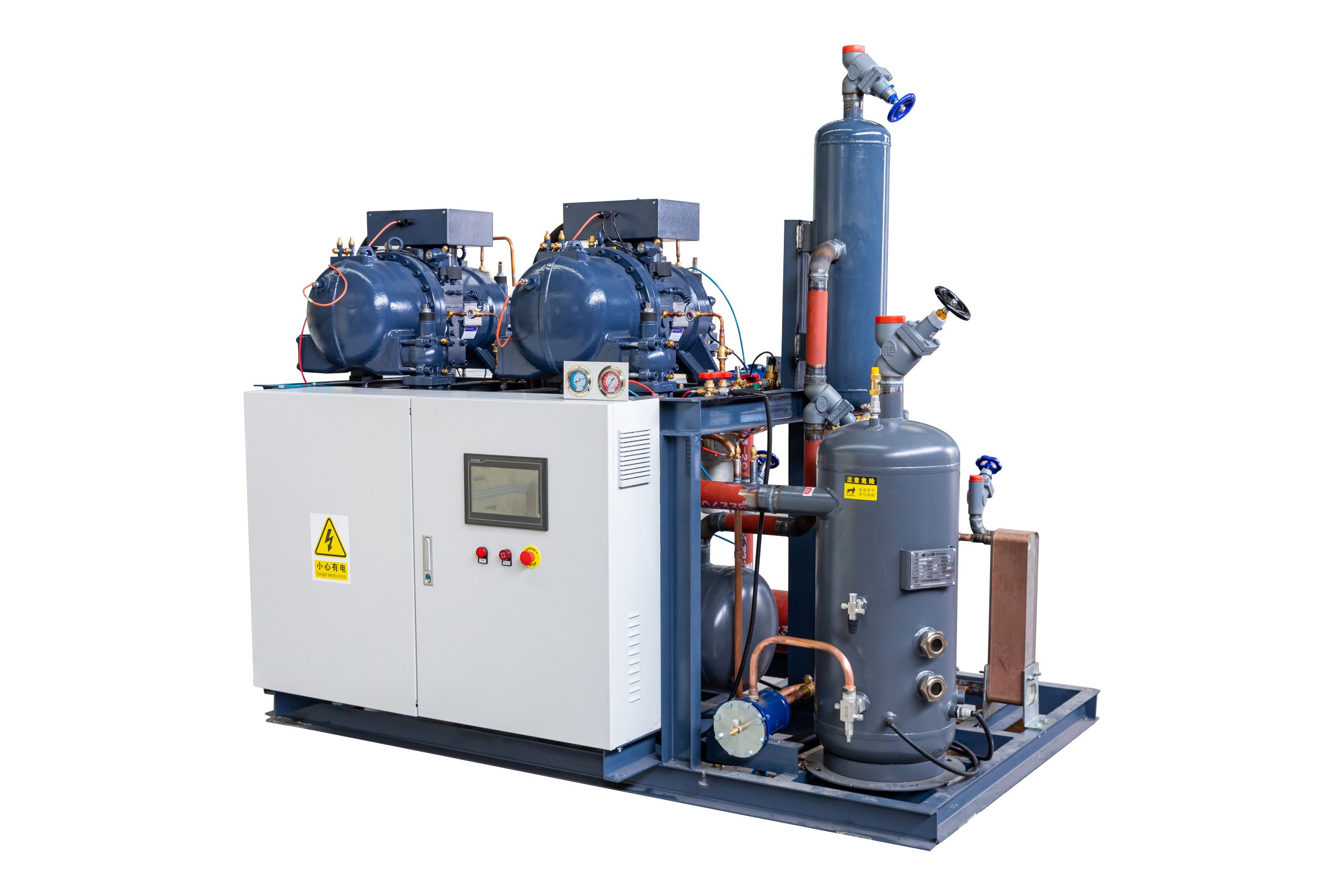
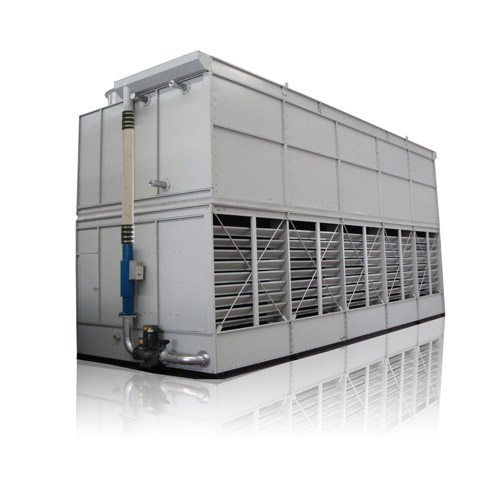
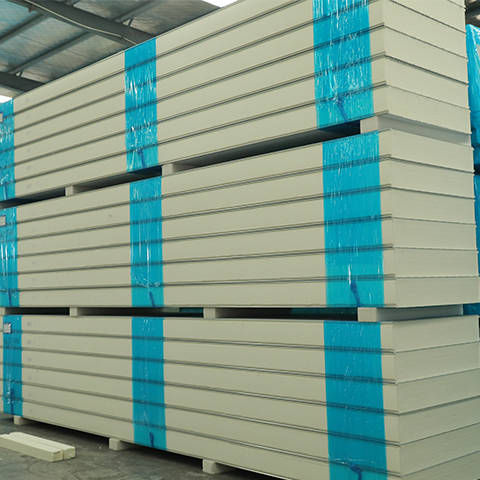
Welcome to inquiry about products related to walk in freezer, condensing unit, and panels.
You also can check our Tiktok, Youtube, Instagram channel for more video show.