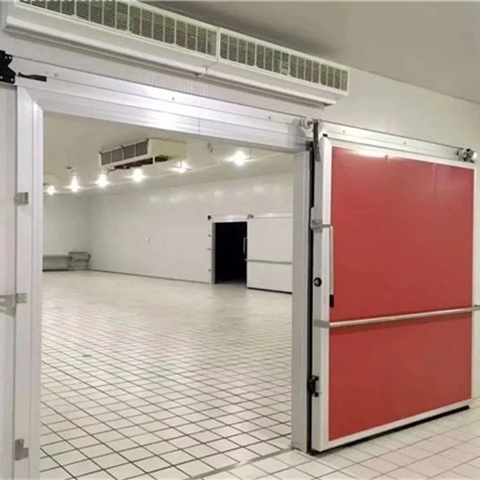
Bell peppers are relatively expensive, so the quality requirements are also very high. Many people wonder how to keep bell peppers fresh. Bell pepper growers build cold storage facilities to prevent them from losing water, wilting, rotting, reducing their marketability, and increasing the loss rate. Therefore, building cold storage facilities is a very necessary method. Moreover, knowing how to keep bell peppers fresh ensures better taste and longer shelf life.
I. Cold Storage Methods for Bell Peppers
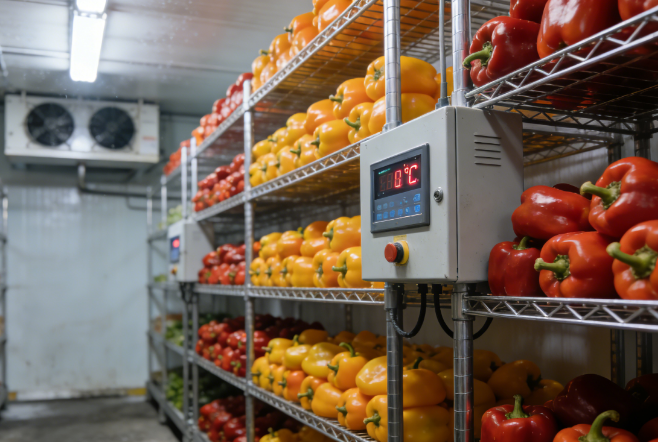
The general storage temperature for sweet peppers in cold storage is 9-12℃. Meanwhile, the optimal temperature for thin-skinned sweet peppers is around 7-9℃. The relative humidity should be maintained at approximately 90%-95%. Sweet peppers can be stored in cold storage for about one month.
In controlled atmosphere cold storage, the oxygen concentration is 2%-8%, and the carbon dioxide concentration is 1%-2%. This allows for storage for about three months. Learning about the best ways for keeping bell peppers fresh is key to prevent spoilage over time.
When storing sweet peppers for extended periods in cold storage, it is crucial to avoid large fluctuations in temperature and humidity. These changes can accelerate spoilage or cause chilling injury. Chilling injury in sweet peppers manifests as sunken spots, water stains, rot, and off-odors. During storage, maintain suitable temperature and humidity, keeping fluctuations within ±0.5°C.
Large temperature and humidity changes can easily cause condensation on the fruit surface. As a result, this leads to spoilage over time and negatively impacts storage effectiveness.
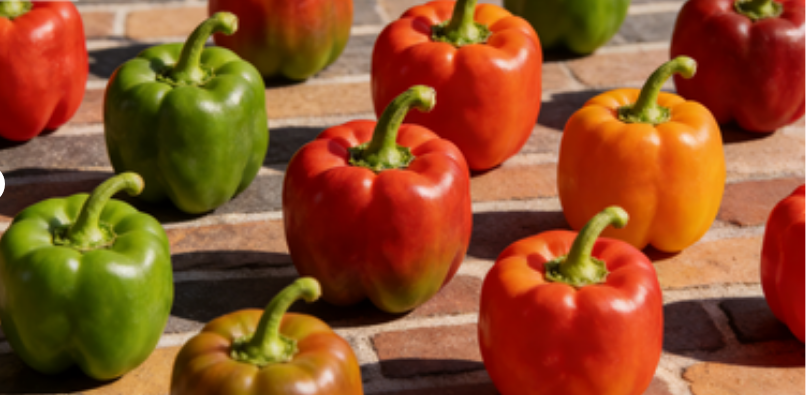
II. Preservation Technology for Bell Peppers
1. Precautions for Harvesting Bell Peppers
While the harvesting standards for green bell peppers are not strict, harvesting them too early results in low yields. Furthermore, harvesting bell peppers too early leads to uneven coloring and poor marketability. On the other hand, harvesting green bell peppers too late causes the flesh to soften, reducing crispness. Some varieties may even change color, further compromising marketability.
Harvesting bell peppers too late causes the fruit to lose its luster, resulting in poor crispness and reduced storage life. In summer, with high temperatures and strong sunlight, producers should determine suitable varieties and reasonable harvesting standards based on sales channels. Therefore, harvesting at the appropriate time ensures bell pepper quality.
Harvest as soon as the dew dries. For summer-harvested bell peppers that you cannot sell immediately, harvest and store them according to storage standards to maintain quality and extend shelf life. Harvest bell peppers with a portion of the stem attached for better preservation and aesthetic appeal. This helps prevent microbial contamination as well.
Furthermore, understanding the methods for how to keep bell peppers fresh after harvest can significantly extend their storage life.
2. Selection Precautions
Select bell peppers with shiny skin, regular shape, and suitable flesh thickness. Discard any fruit with disease, insect damage, mechanical damage, immature fruit, slightly red fruit, or soft flesh. Commercial requirements for bell peppers: Regular and intact shape, uniform color consistent with the variety, bright and clean, without mechanical damage; fresh, smooth surface, intact stem, no wrinkles, no deformities, no off-odors, and no insect holes.
By paying attention to these factors, you enhance your chances of keeping your bell peppers fresh for a longer period.
3. Pre-cooling Precautions
Pre-cooling bell peppers reduces their inherent field heat and allows them to gradually cool down to adapt to cold storage temperature changes. Timely pre-cooling can effectively extend the shelf life of bell peppers. Water cooling is generally not recommended as it easily causes rotting.
We usually use vacuum, strong air, and natural pre-cooling methods. Pre-cool bell peppers at 7-11°C, and complete the process within 48 hours. In short, pre-cooling is an important step in how to keep bell peppers fresh after harvest.
4. Precautions Packaging
Small packaging methods for bell peppers include wrapping with cling film, bagging, trays with cling film, mesh sleeves, and modified atmosphere packaging. Outer packaging methods include plastic crates, plastic boxes, cardboard boxes, and foam boxes. The appropriate packaging method should be selected based on the sales method.
In addition, the material type should match the product specifications to avoid mechanical damage caused by squeezing or bumping, and to avoid waste of packaging materials due to excessive gaps, thus reducing packaging costs. E-commerce packaging should consider the issues of squeezing and bumping. Using packaging methods such as mesh sleeves helps reduce the loss rate.
Moreover, leveraging the right packaging is a crucial part of keeping bell peppers fresh throughout transportation and storage.
5. Bell Pepper Storage
Bell peppers can be stored after pre-cooling and packaging. During storage, bell peppers are prone to developing a pungent odor and release ethylene during the color-changing stage. Therefore, regular ventilation is necessary. Generally, add about 10-30% of the total volume to the cold storage in batches, and stack them reasonably.
Control temperature fluctuations inside the storage within 10±1°C. If humidity inside the storage is insufficient, spray water on the floor to increase it, or use humidifiers to supplement humidification. Regularly open the cold storage for ventilation and inspect the bell peppers in the cold storage. Promptly remove any damaged peppers to ensure the effective storage of the remaining peppers.
For best results, understanding how to keep bell peppers as fresh as possible is essential for every stage of storage.
6. Bell Pepper Cold Storage Disinfection
After the construction of the bell pepper cold storage, it should be tested and accepted first. Next, disinfect all areas comprehensively, including storage shelves and pallets. Three to five days before placing bell peppers in storage, turn on the system to lower the temperature to about 15-17°C. After that, gradually reduce the temperature.
The above data is for reference only and should be adjusted according to actual conditions. This disinfection process also plays a supporting role in ensuring your bell peppers stay fresh.
Welcome to inquiry about products related to walk in freezer, condensing unit, and panels.
You also can check our Tiktok, Youtube, Instagram channel for more video show.