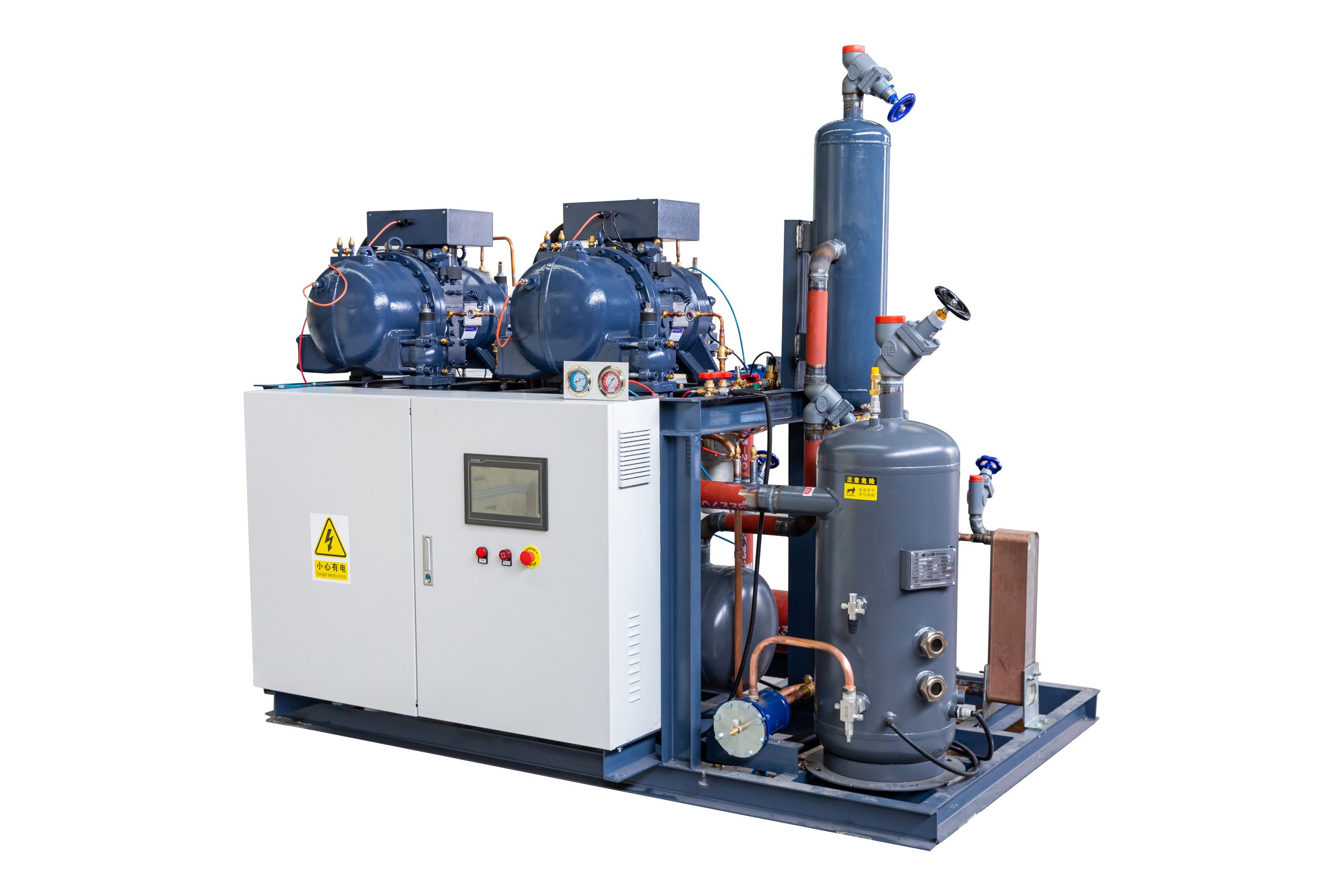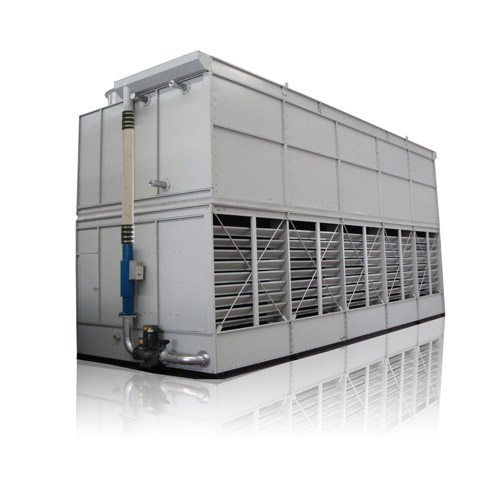
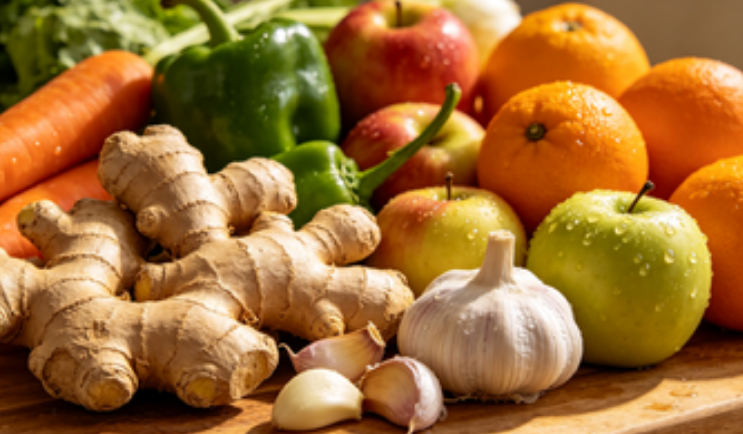
Ginger and garlic are common ingredients in our daily lives, used in cooking. As vegetables, they add aroma, remove fishy smells, and improve texture. So how can we preserve and maintain cold storage to better preserve ginger and garlic? In fact, learning how to preserve ginger and garlic properly is essential for both freshness and flavor. Our technicians improve the equipment's refrigeration and preservation by adjusting the operating parameters of the cold storage's refrigeration system.
1. Let's first discuss the preservation temperature of the ginger and garlic cold storage. The temperature range for ginger and garlic cold storage is approximately -10 to 16℃. If uncertain, users can refer to the vegetable cold storage operation manual provided by the cold storage installation company for operation and temperature adjustment. In addition, by following recommended guidelines on how to preserve ginger in cold storage, you can maintain its quality longer.
2. The equipment to be adjusted includes the evaporation pressure and temperature of the refrigeration system. Based on the optimal preservation temperature required for ginger and garlic, we can adjust the temperature inside the storage to a temperature suitable for ginger and garlic. After 10 hours of cold storage, observe any changes in the freshness of the vegetables. In addition, carefully record the adjustments. Based on actual conditions and system adjustments, ensure the cold storage operates under economically reasonable parameters. This guarantees the safety of the equipment and stored products. As a result, you can achieve high efficiency and save water, electricity, and oil. Furthermore, understanding how to preserve ginger will help optimise your refrigeration process.
3. Common problems encountered with cold storage equipment and their solutions:
(I) Insufficient cooling fan capacity increases heat load. Solution: Increase the evaporator area or replace the evaporator.
(II) Lubricating oil in the evaporator of ginger and garlic cold storage should be drained from the refrigeration system promptly, and hot ammonia should be used for defrosting to remove the lubricating oil from the evaporator. Either way, knowing how to preserve ginger can aid in problem prevention.
(III) Frost buildup on the evaporator coils in ginger and garlic cold storage due to lack of timely defrosting results in poor cooling performance. Solution: Defrost promptly.
(IV) Excessive compressor capacity in ginger and garlic cold storage; compressor capacity not increased promptly after the cold storage load decreases.
Welcome to inquiry about products related to walk in freezer, condensing unit, and panels.
You also can check our Tiktok, Youtube, Instagram channel for more video show.