Spinach is a leafy vegetable that has high water content and exhibits intense respiratory activity. So it easily turns yellow, dries out, and rots. Cold storage keeps spinach fresh and makes it last longer. Also, design cold storage with temperature, humidity, air flow, and gas control. This keeps quality good. The key aspects of the cold storage method are as follows:
1. Low-temperature, high-humidity storage method
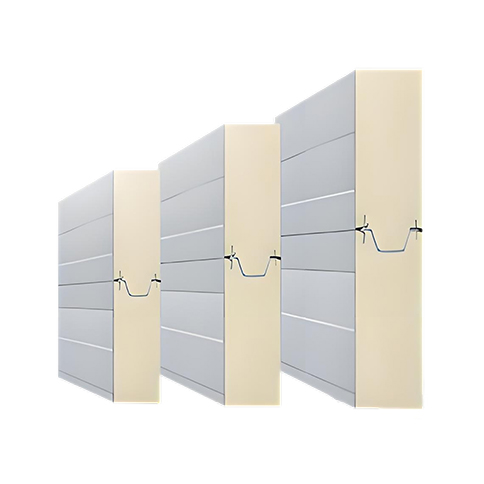
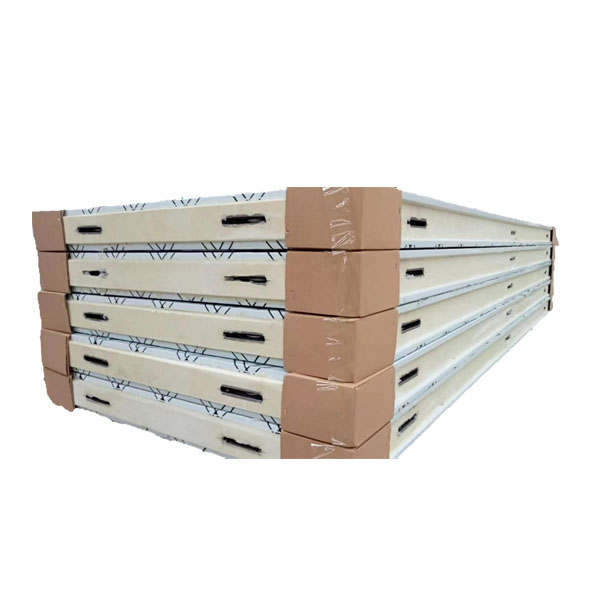
Maintain the storage temperature between 0°C and 1°C, with fluctuations not exceeding ±0.5°C. Too much heat makes leaves breathe faster and germs grow. This causes yellowing and rot. Conversely, temperatures below -0.5°C risk freeze injury, where cell freezing and rupture cause rapid decay upon removal from storage. Maintain relative humidity at 90%–95% to prevent significant moisture loss and wilting. Also, facilities need humidifiers, like high-pressure micro-mist ones. They also need good insulation and sealing to reduce thermal bridges. Good sealing stops water from forming and dripping inside. This keeps spinach clean and stops mold growth.

2. A process combining differential-pressure precooling and cold storage.
After harvest, spinach retains significant field heat and cannot go directly into cold storage. Therefore, include a dedicated precooling area and use differential-pressure precooling to rapidly lower the produce temperature to the storage level. Usually, this takes 4 to 6 hours. Precooling slows breathing and delays aging. Also, keep the precooling room away from the storage room. This stops warm spinach from changing the temperature. These fluctuations could compromise the preservation quality of the entire inventory.
3. Stacking and ventilated storage methods for spinach cold storage.
Store spinach in plastic crates or ventilated handling containers. Do not stack it airtight in sealed plastic bags. Also, the layout of shelves and aisles must ensure cold air flows freely. Leave gaps between containers when stacking. This lets air flow. This avoids direct contact with storage walls or obstruction of the cold air unit's outlets. Use fans to move air. This keeps temperature and humidity the same everywhere. This stops hot, wet spots that can make food go bad. Moreover, stacks should not be too high to avoid crushing damage to the spinach in the lower layers.

4. Simple Controlled-Atmosphere Storage Method
Controlled-atmosphere (CA) cold storage facilities inhibit spinach respiration by adjusting the internal gas composition—specifically, by lowering oxygen concentration and moderately increasing carbon dioxide concentration. The optimal conditions for spinach are an oxygen level of 4%–6% and a carbon dioxide concentration of 2%–4%. However, excessively high carbon dioxide levels can cause leaf injury. Constructing such facilities requires ensuring high airtightness and installing gas monitoring equipment to track gas composition in real time.
5. Accompanying daily management procedures are also implemented.
Spinach is sorted prior to storage to remove damaged or diseased leaves; the storage facility is ventilated regularly to promptly expel harmful gases—such as ethylene—released by the produce. Continuous 24-hour monitoring of temperature and humidity is maintained. In addition, the cold storage unit is regularly disinfected to reduce pathogens. Upon removal from storage, the spinach undergoes a gradual warming process to prevent condensation from forming on the leaves.
In summary, spinach cold storage relies on low-temperature, high-humidity conditions. This is combined with differential-pressure precooling and proper stacking and ventilation. Where feasible, the addition of controlled-atmosphere (CA) technology and standardized management before and after storage effectively delays senescence and decay. Therefore, such methods extend the product's shelf life.
Welcome to inquiry about products related to walk in freezer, condenser, and panels.
You also can check our Tiktok, Youtube, Instagram channel for more video show.