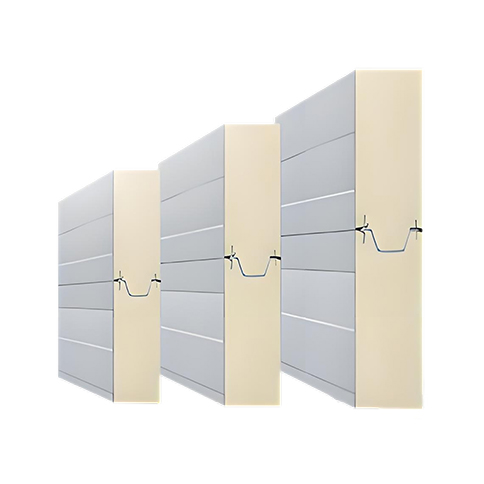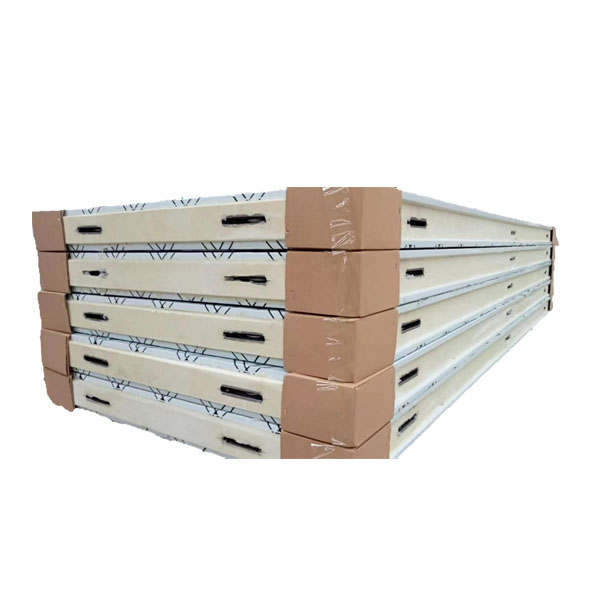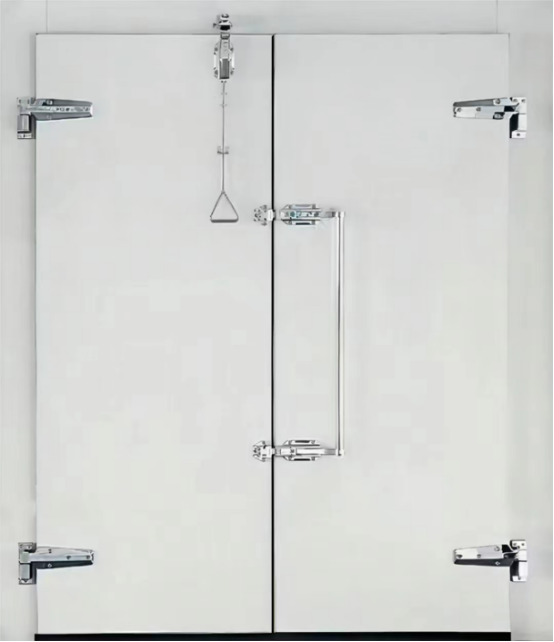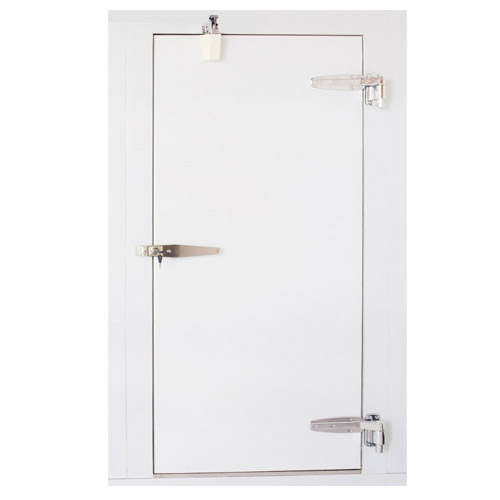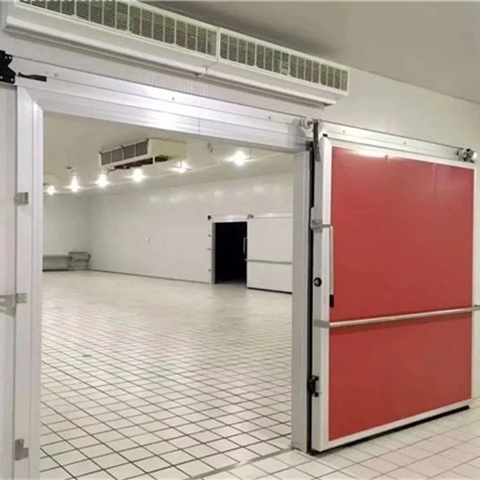
Cherrie Cold Storage is essential for preserving fruit quality post-harvest. Cherries are delicate—they breathe fast, lose water, get soft, and grow mold easily. In short, CA storage keeps the right temperature, moisture, and air to slow aging and keep food fresh. In addition, it significantly extends shelf life, making it the primary method for medium- to long-term cherry storage. For best results, using Cherrie Cold Storage technology can greatly enhance preservation efficiency for cherries. We outline the standardized storage procedure below.
1. Pre-storage treatment is the foundation of preservation.
Upon arrival, immediately sort the fruit to remove cracked, rotten, pest-infested, or damaged cherries. This step prevents cross-contamination from spoiled fruit. Also, Cherrie Cold Storage facilities often utilize low-temperature pre-cooling to rapidly lower the fruit's core temperature to approximately 0°C. This helps to dissipate field heat and residual heat from transport, thereby preventing temperature fluctuations within the storage facility. After the cherries dry, workers put them in breathable boxes to stop condensation. Strictly prohibit placing wet fruit into storage. Concurrently, pre-cool the CA storage facility in advance to ensure stable equipment operation.

2.Core storage parameters within the facility are precisely controlled.
Keep the storage temperature constant between -0.5°C and 0.5°C, with fluctuations not exceeding ±0.3°C throughout the process. This prevents low-temperature chilling injury or spoilage due to high temperatures. Maintain 90%–95% humidity to keep cherries from drying out and going soft. Gas composition is a critical factor: oxygen concentration is set at 3%–5% and carbon dioxide at 8%–12%. Nitrogen is used to balance internal air pressure. Together, they prevent mold and slow down ripening and aging. Notably, the use of Cherrie Cold Storage ensures all these factors are managed optimally.

3. Standardize stacking practices and daily operational management for cherrie cold storage.
Store produce in layers off the ground, maintaining ventilation gaps between stacks to Keep conditions even everywhere. Thus, prevents heat and moisture damage. In addition, strictly prohibit excessive stacking heights or tight packing that could crush the fruit. Seal the storage chamber promptly after loading and activate the controlled atmosphere (CA) system. Continuously monitor and record data on temperature, humidity, and gas concentrations 24 hours a day. Make daily parameter adjustments to prevent significant fluctuations in these metrics. Check the room's seal, cooling system, and CA gear regularly. Also, perform timely defrosting to ensure equipment malfunctions do not compromise the storage environment. Thus, by carefully following Cherrie Cold Storage best practices, you can ensure better post-harvest outcomes.
Adhere to the "First-In, First-Out" (FIFO) principle for removal from storage. Implement a brief, gradual temperature increase prior to removal to minimize condensation caused by temperature differentials and ensure product quality. Proper controlled atmosphere storage can extend the shelf life of cherries to 45–60 days, maximizing the retention of fruit firmness, color, and flavor while reducing storage losses.
Welcome to inquiry about products related to walk in freezer, condenser, and panels.
You also can check our Tiktok, Youtube, Instagram channel for more video show.