Soybeans prefer warm temperatures. However, understanding soybeans cold storage is important for situations where seeds or harvested beans need to be preserved in cooler conditions. Seeds begin to germinate at 10-12 degrees Celsius, with an optimal temperature of 15-20 degrees Celsius. The optimal temperature for growth is 20-25 degrees Celsius, and the optimal temperature for flowering and pod formation is 20-28 degrees Celsius. Low temperatures delay pod formation, and temperatures below 14°C prevent flowering. In summary, using proper soybeans cold storage ensures seed quality preservation in non-optimal climates.
Storage characteristics of soybeans:
1. Soybeans are highly hygroscopic and prone to mold.
Soybeans have thin seed coats and large germination pores. Wheat and corn have weaker hygroscopic capacity than soybeans. At 20℃ and a relative humidity of 90%, the equilibrium moisture content of soybeans reaches 20.9%, while other grains are below 20%. At a relative humidity of 70%, the equilibrium moisture content of soybeans is only 11.6%. Therefore, soybeans stored in humid conditions are extremely prone to absorbing moisture and swelling. After absorbing moisture and swelling, soybeans can increase in volume by 2-3 times, generating significant pressure on the storage container. After drying, store soybeans under conditions with a humidity level below 70%. In many facilities, soybeans cold storage helps prevent excessive moisture absorption.

2. Easily Loses Viability
Soybeans maintain a moisture content of 9-10%. If the temperature reaches 25 degrees Celsius, they lose their viability. Moisture and temperature are factors affecting soybean viability, but different seed coat colors also influence it. Yellow soybeans easily lose viability, while black soybeans retain germination capacity for a longer period. A darker seed coat color prolongs its viability; this same phenomenon also appears in other legumes. This is because darker seed coat tissue is denser and has weaker metabolic activity. For best results with soybeans cold storage, properly control temperature and humidity.
3. Damaged Grains Are Prone to Mold and Spoilage
Soybean grains are oval or nearly round with smooth seed coats, making them highly scatterable. Furthermore, soybean seed coats are thin and large, easily damaged and broken if not dried properly. The seed coat contains a relatively high amount of cellulose, providing some resistance to insects and mold. However, soybeans are susceptible to insect damage and early frost in the field, sometimes with insect infestation reaching up to 50%. These insect-damaged, frost-damaged, and mechanically broken grains have a much higher respiration rate than intact grains. Damaged, exposed surfaces easily absorb moisture, often becoming precursors to insect and mold growth, leading to extensive mold and spoilage.
4. Poor Thermal Conductivity
Soybeans have a high oil content, and oil has very low thermal conductivity. Therefore, soybeans are difficult to cool down quickly under high temperature, dry conditions or intense sunlight, affecting their viability and edible quality. This characteristic enhances soybeans stability during storage.
Soybeans must be dry and kept at low temperatures when stored, and the warehouse must be airtight with good heat insulation to maintain long-term stability and prevent a decline in viability. According to experiments in Heilongjiang Province, soybeans stored in wooden warehouses with iron roofs, piled 4 meters high, were stored in January at a seed temperature of -11℃. By July, when they were removed from storage, the warehouse temperature reached 30℃, while the temperature of the upper seed layer was 21℃, the middle layer 10℃, and the lower layer 7℃. If the warehouse walls are thickened and the roof is made of heat-resistant materials, the storage stability will be greatly improved.
Thus, facilities utilizing soybeans cold storage can help avoid these temperature-related quality issues.

5. Protein Denaturation
Soybeans contain a large amount of protein, far exceeding that of other crop seeds. However, under high temperature and humidity conditions, they are easily denatured and aged. This affects seed viability, processing quality, and edible quality, similar to the tendency of oils to become rancid. This is mainly due to improper storage conditions and deserves attention.
Soybean seeds generally contain 17%–22% fat. Since the fat in soybean seeds is mostly composed of unsaturated fatty acids, it is easily rancid and spoiled. Proper ventilation is essential during soybean storage. Soybeans stored in jars or containers, due to prolonged sealing, have a lower germination rate than those stored in warehouses.
Proper ventilation not only maintains the germination rate but also helps to dissipate moisture, reducing the moisture content of the soybeans. Because soybeans have a lower equilibrium moisture content than other seeds under lower relative humidity, this is a concern. Clearly, producers should consider soybeans cold storage as a preventative measure when climate or humidity conditions are not ideal.
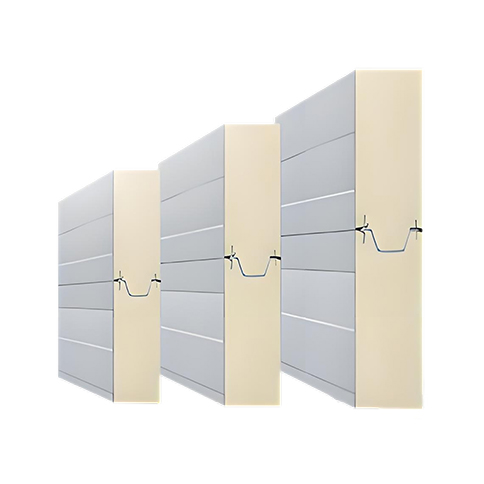
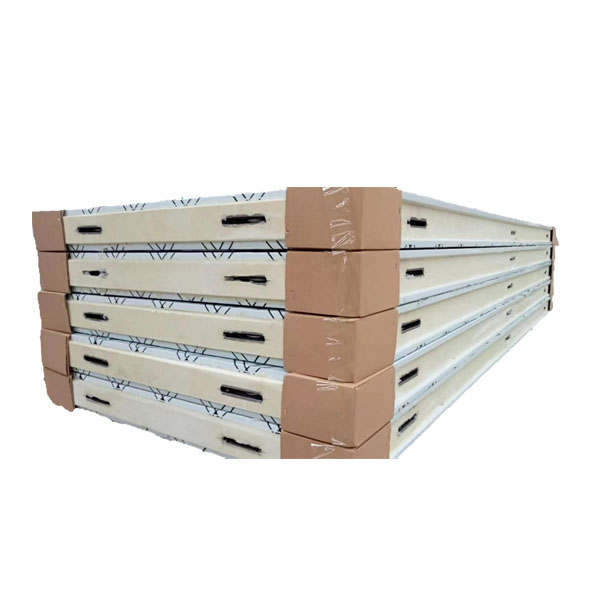
Welcome to inquiry about products related to walk in freezer, condenser, and panels.
You also can check our Tiktok, Youtube, Instagram channel for more video show.