The cold storage process for cucumbers follows a seven-step workflow: sorting, pre-treatment, pre-cooling, packaging, stacking, internal storage management, and regular inspection. Workers maintain storage conditions at 10–12°C and 90%–95% humidity to prevent chilling injury, moisture loss, and mold growth. In general, storing cucumbers in cold storage using these methods ensures optimal preservation.
1. Harvesting and initial selection
The best time for harvesting occurs in the early morning when there is no dew. Cucumber stems should be kept short, while bruised, pest-damaged, wilted, or deformed cucumbers are discarded. Handle diseased or damaged fruit separately, and strictly prohibit them from entering storage. Proper selection is the first step in successfully storing cucumbers in cold storage.
2. Pre-treatment for Storing Cucumbers in Cold Storage
surface dust is gently wiped from qualified cucumbers, and a brief soak in a 0.5% CaCl2 solution may be used to enhance firmness. Finally, the cucumbers are placed in a cool area to allow surface moisture to drain, ensuring no raw water is carried into the storage facility. Additionally, storing cucumbers in cold storage after proper pre-treatment is essential for reducing spoilage.
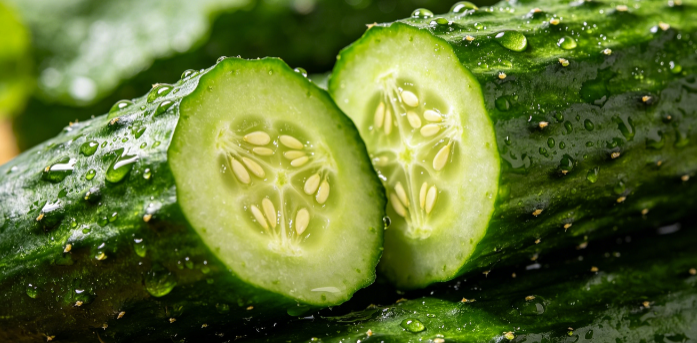
3: Rapid pre-cooling for Storing Cucumbers in Cold Storage
Complete pre-cooling within 24 hours of harvest by moving the produce into the pre-cooling area in batches. Reduce the field heat of the melons to approximately 12°C over a period of 2 to 4 hours, ensuring that the quantity processed in a single batch does not exceed 30% of the facility's capacity to prevent a sudden rise in storage temperature.
4: Sorting and packing
Use Breathable plastic storage bags or plastic crates with vents. Pack approximately 3 kg of melons per container, ensuring the crates have ventilation holes and contain C₂H₄-absorbing pads. Keep the produce away from C₂H₄-releasing fruits and vegetables—such as tomatoes and apples—to prevent premature yellowing and aging. Furthermore, best practices for storing cucumbers in cold storage include using proper packaging and monitoring for C₂H₄ exposure.
5: Warehousing and Stacking
Place timber dunnage on the warehouse floor to elevate the produce 10 cm off the ground. Leave 30 cm ventilation gaps between stacks and shelving units. Arrange the produce in a "tic-tac-toe" (crisscross) stacking pattern with a stack height not exceeding 1 meter; ensure cold air does not blow directly onto the stacks.
6: Environmental Control for Storing Cucumbers in Cold Storage
Maintain a stable storage temperature of 10–12°C, strictly avoiding temperatures below 8°C to prevent cold damage above freezing. Use humidification equipment to maintain appropriate humidity levels, and perform brief, scheduled daily ventilation to exhaust carbon dioxide and waste gases.
7: Routine Inspection
Spot-check the condition of the produce every 2–3 days, removing any specimens that have softened or developed mold. Simultaneously record temperature and humidity data, making minor environmental adjustments as needed; proper adherence to these procedures can maintain freshness for over 30 days. In summary, storing cucumbers in cold storage and conducting routine inspections are key to long-term freshness.
Welcome to inquiry about products related to walk in freezer, condenser, and panels.
You also can check our Tiktok, Youtube, Instagram channel for more video show.