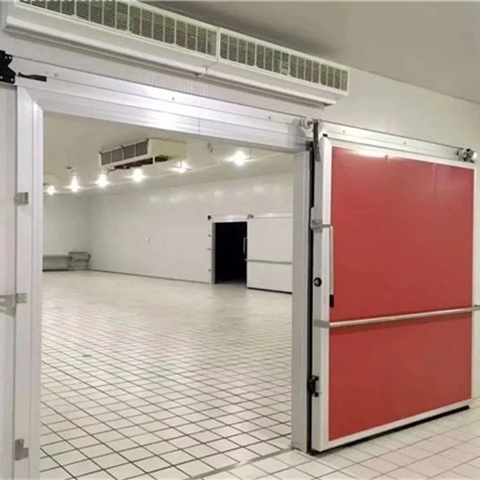
Fruit cold storage facilities operate under high loads for extended periods. Standardized operation and regular maintenance can significantly reduce equipment wear and tear. They also extend the fruit cold storage lifespan of the equipment and ensure stable preservation.
1. Storage management must adhere to regulations; hot fruit must not be placed directly into the storage
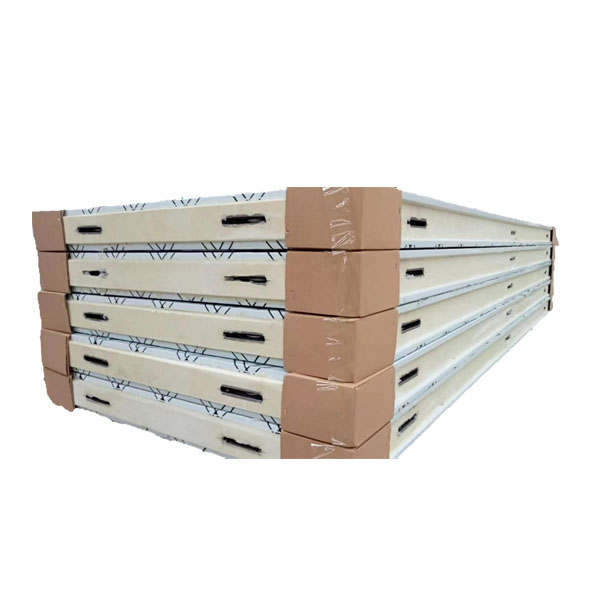
Freshly picked fruit retains heat from the field. Placing it in high-temperature storage will increase the refrigeration load on the units. As a result, frequent full-load operation will accelerate compressor aging. Therefore, pre-cooling is necessary before batch storage. Leave ventilation gaps when stacking goods; do not place them directly against insulation panels or evaporators. Otherwise, poor airflow will lead to thickened frost and increase the burden on the defrosting equipment. Store different types of fruit in separate areas. For example, apples and mangoes, which release ethylene, should be separated from kiwis and leafy greens that are not resistant to ripening. This helps prevent moisture from corroding the metal components inside the storage facility. Additionally, this method also helps improve fruit cold storage lifespan effectively.

2. Maintain stable daily temperature control and avoid frequent, drastic temperature adjustments
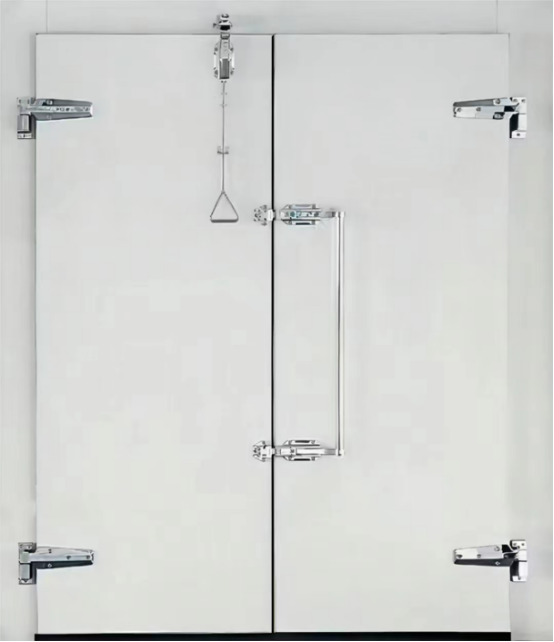
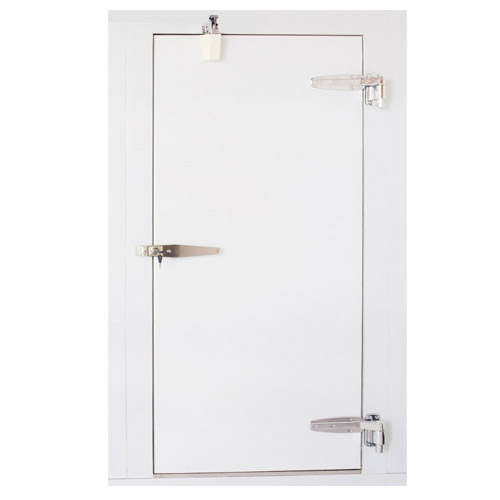
After setting the desired preservation temperature (0-10℃), minimize the frequency of opening and closing the cold storage door. Quickly close the door when entering or leaving the cold storage. Excessive exchange of hot and cold air causes the unit to continuously start and stop. This process wears down the motor and piping. Regularly inspect the door seals; replace any that are aging or leaking air promptly to reduce the continuous workload on the equipment due to cold air loss. Further, these practices protect fruit cold storage lifespan.
3. Regular maintenance is crucial
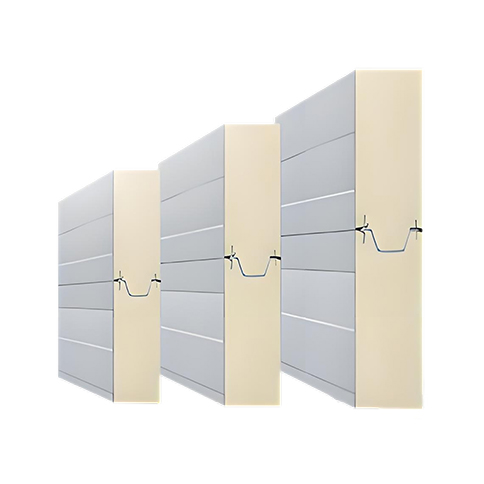
Clean dust and debris from the evaporator and condenser monthly. Accumulated dust reduces heat exchange efficiency, and prolonged high-load operation of the compressor can cause it to burn out. Perform automatic defrosting as scheduled; excessive frost can hinder cooling and increase equipment wear. Protect the insulation panels and floor from moisture; wipe away any water accumulation inside the cold storage promptly. Long-term moisture corrosion can damage the insulation layer and refrigeration pipes, leading to cold air leaks and pipe corrosion.
When the cold storage is not in use, perform maintenance: drain any water, ventilate and dry the area before closing the cold storage, and clean the unit before disconnecting the power. During seasonal shutdowns, periodically run the unit briefly to prevent oil seal aging and leaks in the pipes. Therefore, keep accurate records of equipment operation and promptly repair any malfunctions such as abnormal noises or slow cooling. Delaying repairs of minor faults can lead to irreversible damage. In summary, optimizing fruit cold storage lifespan should always be a priority. Scientific management can extend the service life of cold storage facilities by more than 30%.
Welcome to inquiry about products related to walk in freezer, condenser, and panels.
You also can check our Tiktok, Youtube, Instagram channel for more video show.