Controlled atmosphere storage for poultry eggs relies on regulating gas composition to slow down egg metabolism and inhibit bacterial growth. Throughout the storage process, we must enforce strict environmental, operational, and maintenance standards to ensure the quality of fresh eggs. Eggs Controlled atmosphere storage specific precautions are as follows:
1. Regarding pre-treatment before storage in eggs Controlled atmosphere storage
Do not wash poultry eggs with water. Washing will damage the protective film on the eggshell, allowing bacteria to invade and accelerate spoilage. Wipe soiled eggs clean with a dry cloth. Before storage, seal, disinfect, and ventilate the storage room. Use food-grade disinfectant for comprehensive disinfection. Then, the room should be vacant and ventilated for 24 hours, and pre-cooled to a constant temperature.Pre-cool poultry eggs in batches to avoid excessive temperature differences that could cause condensation and mold growth on the eggshells. As a reminder, preparing eggs for controlled atmosphere storage requires proper pre-treatment to maintain egg quality.

2. Environmental parameter control for eggs Controlled atmosphere storage
Store fresh eggs at a stable 0-4℃, adjust hatching eggs to 15-20℃, and control relative humidity at 85%-90%. Too low humidity leads to moisture loss and enlarged air cells, while too high humidity promotes mold growth. Therefore, fix the gas mixture at 3%-5% oxygen, 1%-2% carbon dioxide, and fill the remainder with nitrogen.Calibrate the controlled atmosphere equipment regularly to prevent excessive gas concentrations from damaging the eggs. Atmospheric regulation plays a vital role in ensuring quality preservation during controlled storage of eggs.
3. Storage and Warehouse Management
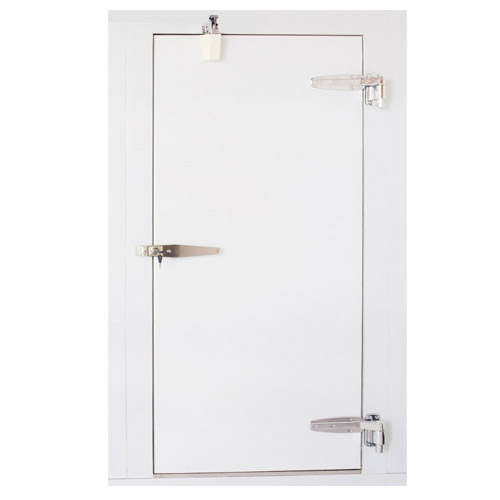
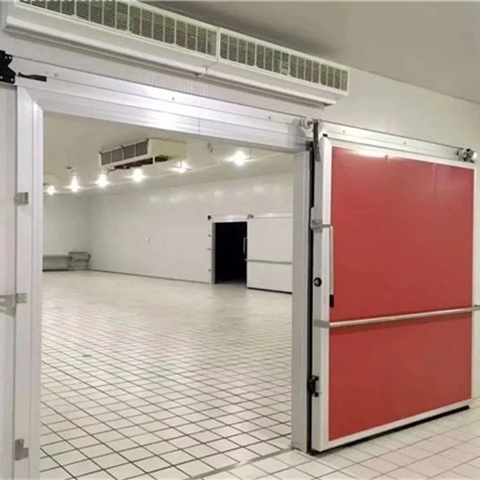
Poultry eggs should be stacked in layers off the ground using breathable egg baskets, with ventilation ducts provided to ensure even gas circulation within the warehouse. Then, eggs should be placed with the larger end facing upwards to slow embryonic development. Additionally, mixing with fruits, vegetables, fresh produce, or other miscellaneous items is strictly prohibited to prevent ethylene and odor contamination of the eggs.Minimize the frequency of opening and closing the warehouse doors to reduce gas leakage and outside air inflow, maintaining warehouse airtightness. In particular, successful eggs storage using controlled atmosphere strategies depends on precise warehouse management.

4. Routine Operations and Maintenance
Daily monitoring of temperature, humidity, and gas concentration data; weekly random checks of eggshell condition and egg freshness, promptly removing broken, moldy, or loose eggs. First, regularly clean warehouse residue and water accumulation. Second, perform monthly disinfection and sterilization. Finally, conduct seasonal maintenance of controlled atmosphere and refrigeration equipment to prevent malfunctions from causing an unbalanced storage environment and extending the shelf life of poultry eggs. Consistent operational checks are crucial for long-term success when applying controlled atmosphere storage for eggs.
Welcome to inquiry about products related to walk in freezer, condenser, and panels.
You also can check our Tiktok, Youtube, Instagram channel for more video show.