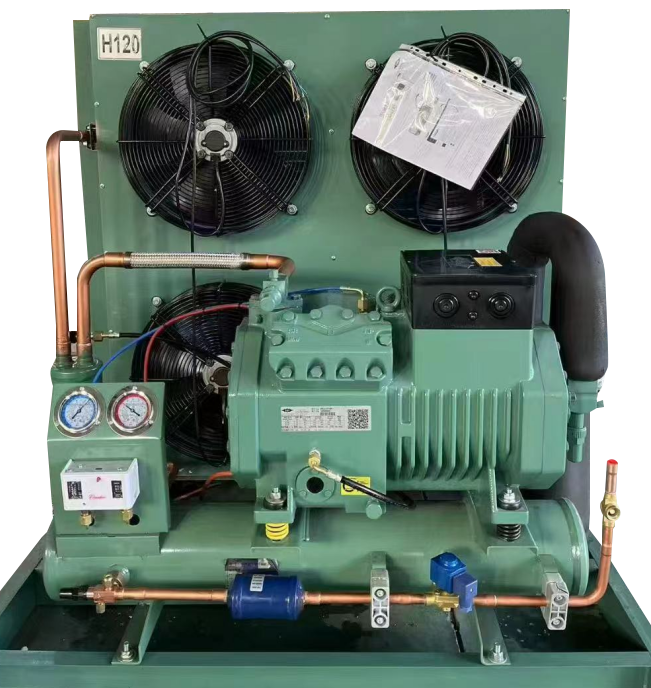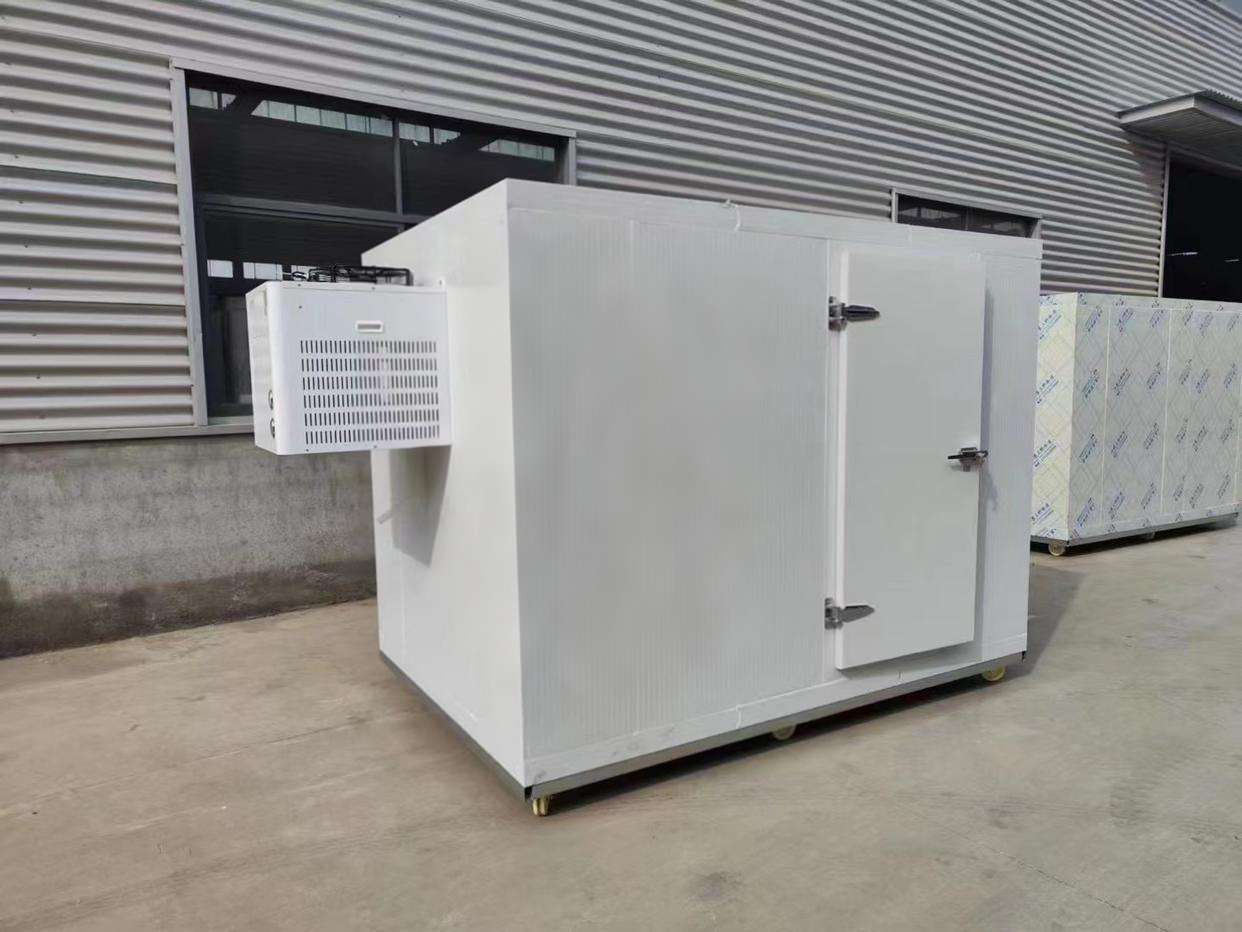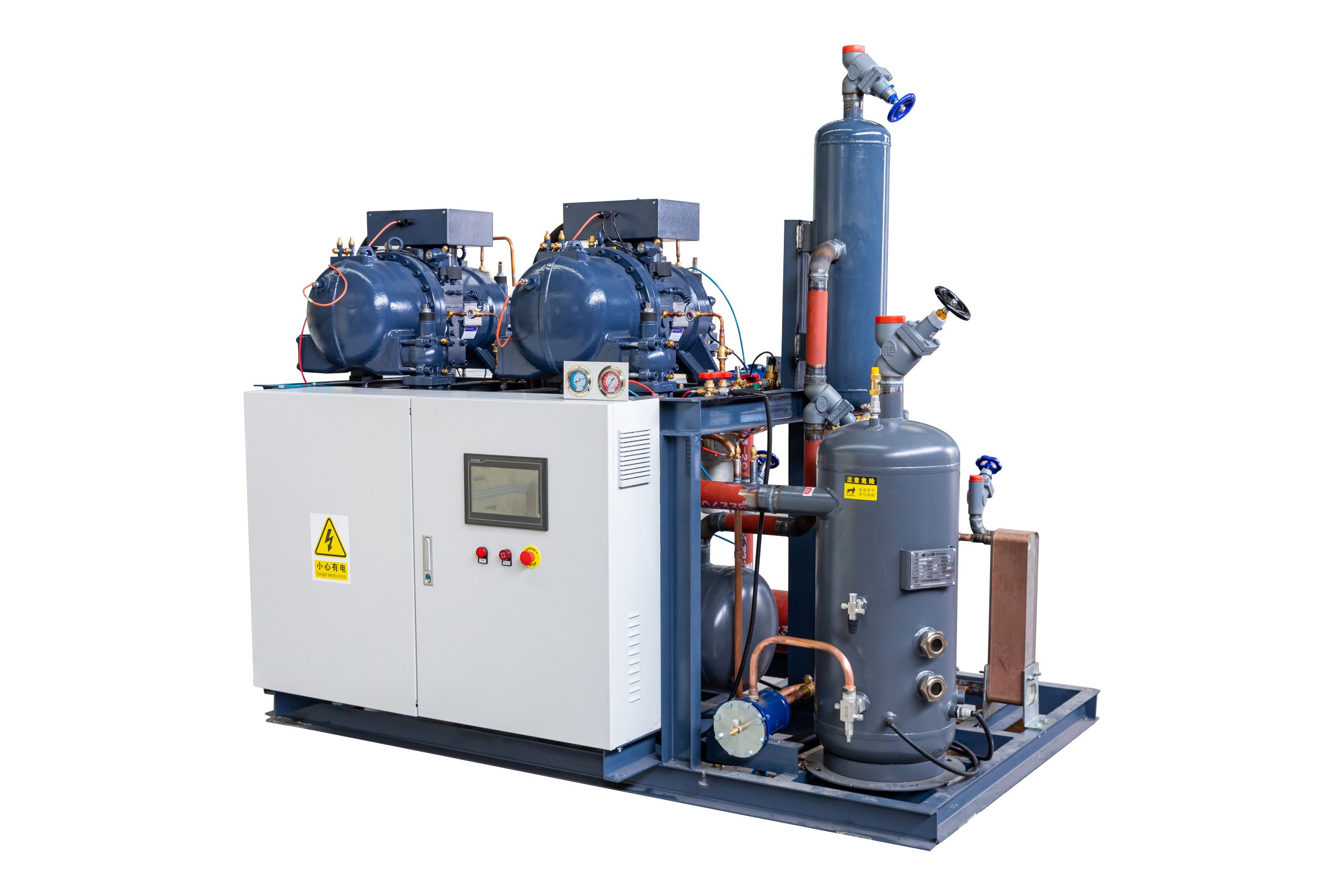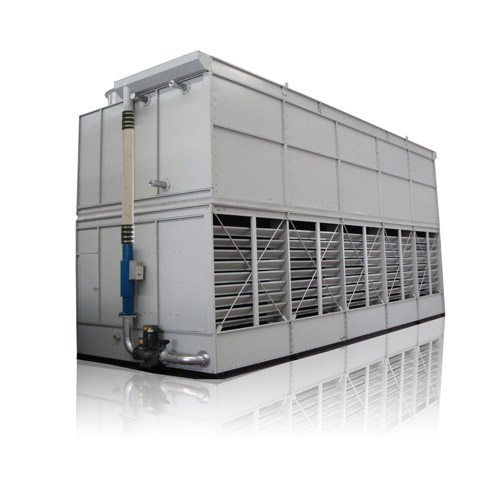
In cold chain storage, ice storage and cold storage serve as two frequently used concepts. People often misunderstand these two as being essentially the same—just places for low-temperature storage. However, in reality, ice storage and cold storage differ significantly in several aspects. These aspects include their definition, core functions, and storage targets. Correctly distinguishing between ice storage and cold storage can help businesses and individuals choose the appropriate storage method based on their actual needs. This helps in avoiding storage losses due to improper selection. Below, we will analyze the differences between ice storage and cold storage in detail from multiple dimensions.
I. Definition and Core Positioning
Ice storage centers on "ice making + ice storage," while cold storage centers on "low-temperature preservation/freezing."
This is the most fundamental difference between ice storage and cold storage. The core function of an ice storage facility is ice making and storage. It not only has low-temperature storage capabilities but also integrates ice-making equipment, capable of independently producing various types of ice. Then store this ice in a low-temperature environment to prevent melting, thereby meeting subsequent cooling and preservation needs. For example, much of the ice used in supermarkets to cool seafood displays comes from ice storage facilities.
Cold storage, on the other hand, is solely for low-temperature storage. It doesn't have ice-making capabilities; it primarily maintains a constant low temperature through a refrigeration system, providing a preservation or freezing environment for various items. The core function of cold storage is to extend the shelf life of goods and slow down spoilage. It is commonly found in food processing companies and fresh food e-commerce warehousing centers. Simply put, an ice storage facility is a combination of "ice making + ice storage." In contrast, a cold storage facility is a single location for "professional low-temperature storage."
II. Storage Items
Ice storage focuses on "ice blocks," while cold storage covers "diverse items."
The difference between ice storage and cold storage lies directly in the type of ice they store. Ice storage stores a very specific type of ice: various forms of ice, including square, round, block, and flake ice. The storage environment is designed to meet the specific needs of ice. This ensures it maintains its stable shape during storage and prevents melting or sticking due to temperature fluctuations.
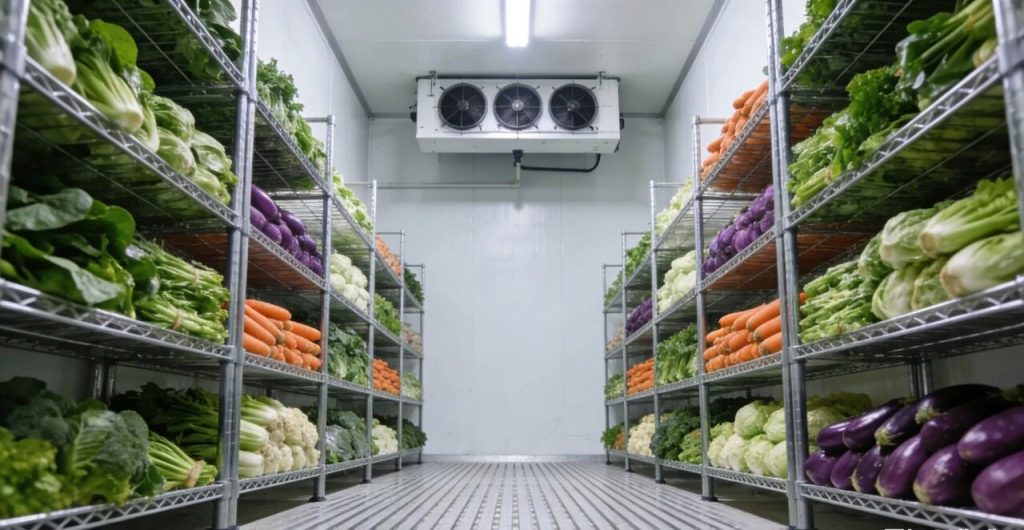
Cold storage, on the other hand, stores a much wider variety of items, encompassing all kinds of goods requiring low-temperature preservation or freezing. Fresh food items include vegetables, fruits, meat, seafood, and dairy products. Non-food items include pharmaceuticals, chemical raw materials, and biological reagents. Cold storage is further subdivided into different temperature ranges based on the stored items. For example, there is fresh-keeping storage (0-5℃), freezing storage (below -18℃), and ultra-low-temperature storage (below -40℃). Ice storage, however, has a relatively fixed temperature range. This range is primarily designed to prevent ice melting, generally between -10℃ and -20℃.
III. Refrigeration System and Structural Design
Ice storage facilities need to be adapted to ice-making requirements, while cold storage facilities emphasize constant temperature stability.
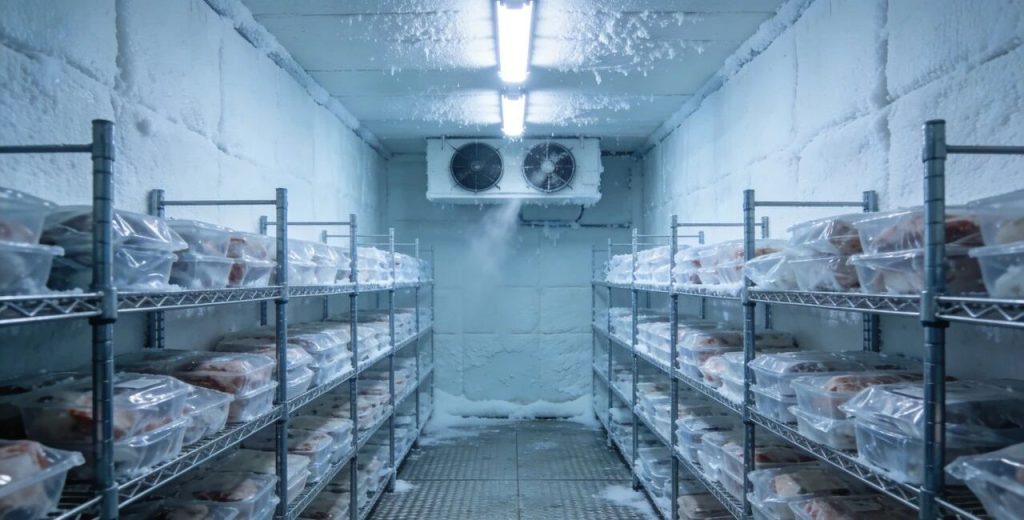
Due to differences in core functions and stored items, the refrigeration systems and structural designs of ice storage and cold storage differ significantly. Ice storage systems need to simultaneously meet the demands of ice making and ice storage. The ice-making process requires rapid cooling to freeze water into ice. Meanwhile, the ice storage process requires stable temperature control to prevent the ice from melting. Therefore, ice storage systems have higher power outputs and separate ice-making and ice-storage areas. The ice-making area requires specialized ice makers, evaporators, and other equipment. Additionally, the ice-storage area needs to be well-insulated and sealed to minimize cold energy loss.
Cold storage systems, on the other hand, prioritize temperature stability. They don't need to handle the high-intensity refrigeration demands of ice making. Therefore, their design focuses on uniform temperature control to ensure consistent temperatures throughout the storage area, preventing spoilage due to temperature differences. Structurally, cold storage rationally divides storage areas according to the type and quantity of stored items. These areas feature shelves and ventilation equipment for convenient stacking and management. Ice storage, however, has a relatively simpler structural design. It primarily focuses on large-capacity ice storage space, without the need for complex zoning and shelving designs.
IV. Application Scenarios
Ice storage is suitable for "temporary cooling/emergency needs," while cold storage is suitable for "long-term storage/bulk preservation."
The differences in application scenarios further highlight the distinction between ice storage and cold storage. Ice storage is primarily used for scenarios requiring temporary cooling and emergency refrigeration. Examples include cooling outdoor activities in summer, temporary preservation during seafood transportation, and emergency cooling during power outages. Ice storage systems serve the catering industry, supermarkets, and other businesses that need large quantities of ice, providing the ice supply for their daily operations.
Cold storage facilities primarily serve long-term storage and bulk preservation needs, supporting applications such as raw material storage for food processors, pre-positioning warehouses for fresh food e-commerce, and pharmaceutical cold storage. Cold storage provides a long-term, stable low-temperature environment for goods. This helps businesses achieve bulk inventory preparation, off-peak sales, and reduced operating costs. For example, fruit growers store harvested fruit in cold storage to extend the sales cycle. This avoids price drops caused by concentrated market entry.
In summary
the core differences between ice storage and cold storage lie in whether they have ice-making capabilities, the types of items they store, and their application scenarios. Ice storage focuses on ice making and storage, catering to needs such as temporary cooling and ice supply. Cold storage focuses on professional low-temperature storage, catering to needs such as long-term preservation and bulk storage. When making a choice, it's essential to determine your specific needs. Specifically, consider whether you require ice supply or low-temperature storage of goods, to accurately differentiate between ice storage and cold storage and select the appropriate storage solution.
Welcome to inquiry about products related to walk in freezer, condensing unit, and panels.
You also can check our Tiktok, Youtube, Instagram channel for more video show.