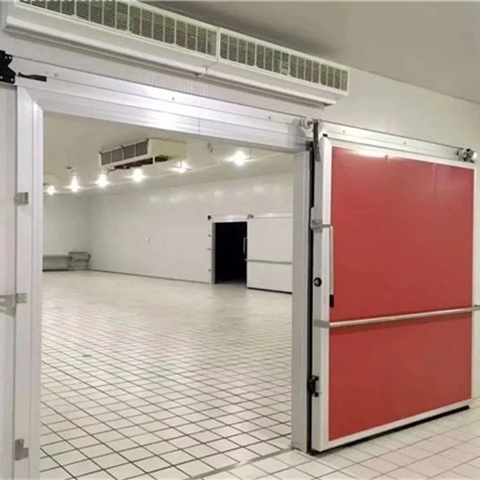
Mangosteen, a popular tropical fruit, has won the favor of many consumers with its sweet taste and rich nutritional value. However, many people may encounter this problem: mangosteens spoil easily after only a few days at home. So, how much longer can a professional cold storage extend the shelf life of mangosteens? In fact, the topic of mangosteens cold storage is crucial to answer this question.
1. Temperature Control is Crucial for Mangosteen Preservation
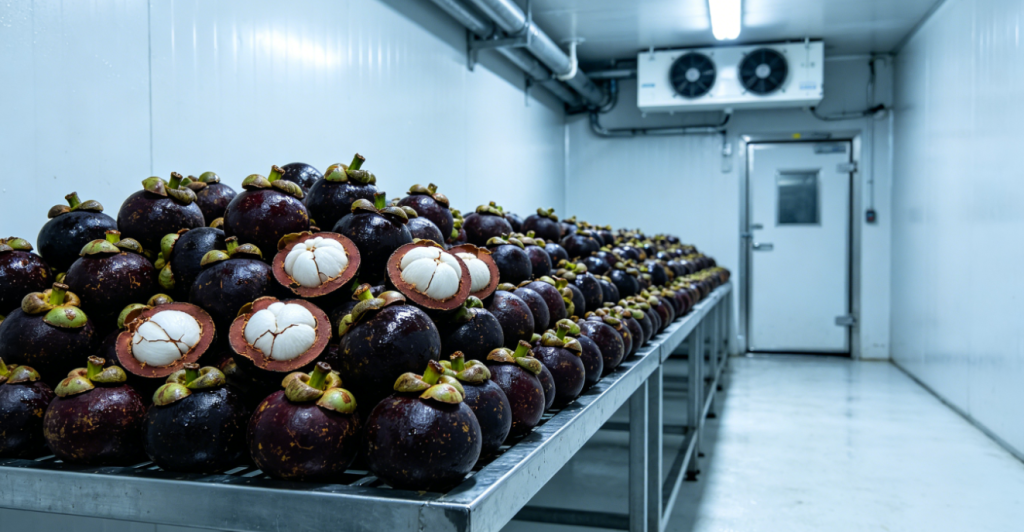
Temperature is one of the main variables determining the storage time of mangosteen. Generally speaking, the lower the ambient temperature, the weaker the respiration of the fruit, and the longer the shelf life. We best store mangosteens in a low-temperature environment. Cold storage provides these conditions. Compared to room temperature storage, cold storage significantly slows down the process of water loss from the peel and spoilage of the flesh. Practical experience shows that maintaining a stable cold storage temperature between 0℃ and 4℃ can effectively inhibit microbial activity and enzymatic reactions. Thus, this extends the shelf life of mangosteen to 1 to 2 months, or even longer. The effectiveness of mangosteens cold storage also depends on maintaining consistent temperature. In addition, proper facility management is important.
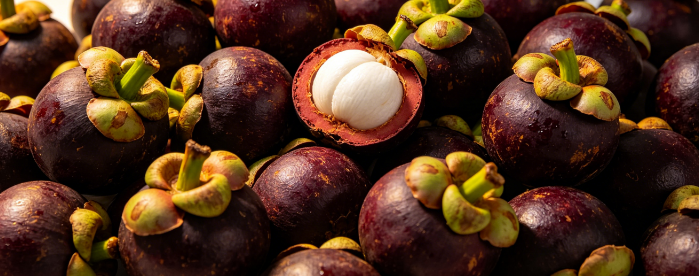
2. Humidity management should not be overlooked
Besides temperature, humidity is also a crucial factor affecting the storage quality of mangosteens. If the environment is too dry, the peel is prone to wrinkling. Similarly, if the humidity is too high, mold may grow. Therefore, when storing mangosteens in a cold storage facility, we recommend maintaining a relative humidity of around 75%. This humidity level helps keep the peel fresh while preventing excessive moisture loss from the flesh. If the humidity is too low, consider using a humidifier. On the other hand, if humidity is too high, use a dehumidifier to maintain a balance. As you can see, good humidity management supports successful mangosteens cold storage and preserves freshness longer.
3. Light conditions also have a certain impact on preservation
Although mangosteens are detached from the plant after harvesting, they still retain a certain degree of respiration. Appropriate light management, such as avoiding direct sunlight, helps reduce their metabolic rate. This extends storage time. Therefore, cold storage designs typically employ shading or low-light lighting to reduce the stimulation of light on the fruit and maintain its internal quality stability. Light conditions, therefore, play an important role in mangosteens cold storage results by minimizing metabolic stimulation.
4. Odor Management in the Storage Environment
Mangosteens have a strong absorbent property, easily absorbing odors from their surroundings. If other strongly scented ingredients or items are mixed in the cold storage, the mangosteen's flavor may be compromised, affecting the eating experience. Therefore, before storing mangosteens, ensure the storage area is clean and well-ventilated. Also, avoid storing them with foods that have strong odors. Managing odors will further enhance the integrity of mangosteens during cold storage, supporting optimal preservation outcomes.
Overall, as long as temperature, humidity, light, and environmental odors are scientifically controlled, mangosteens can maintain good edible quality for 1 to 2 months in a cold storage facility. Proper use of cold storage equipment can not only effectively reduce losses but also allow consumers to enjoy fresh and delicious mangosteens in any season. This demonstrates the value of using professional cold storage for mangosteens.
Welcome to inquiry about products related to walk in freezer, condensing unit, and panels.
You also can check our Tiktok, Youtube, Instagram channel for more video show.