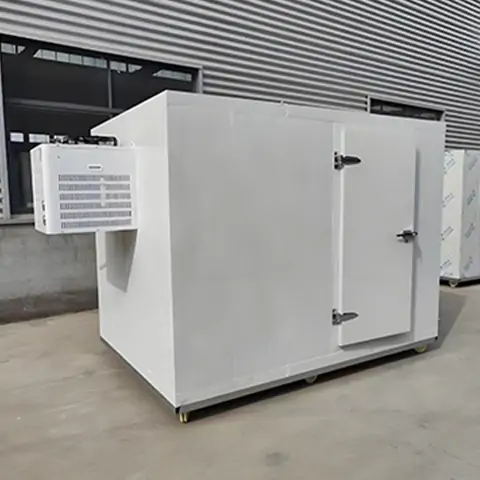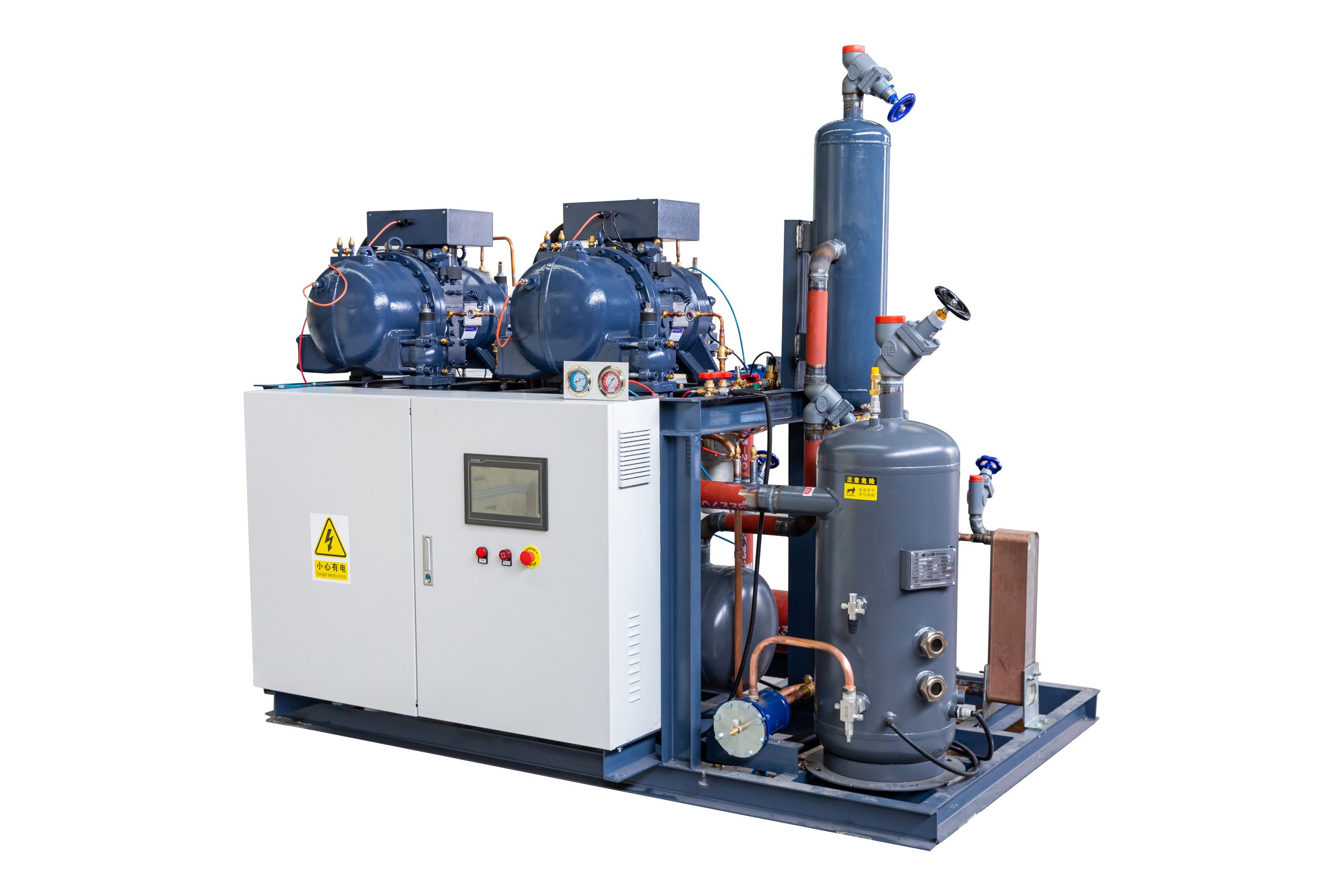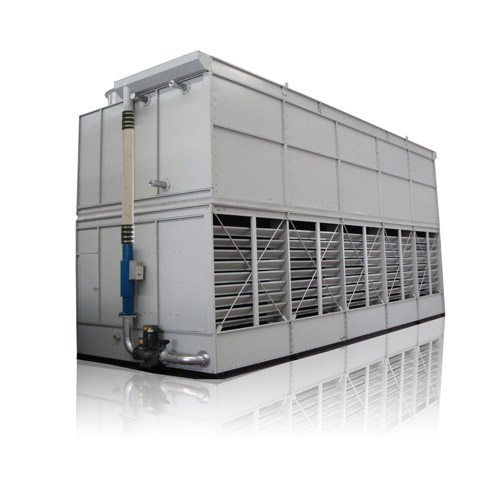
Flexibly select the temperature setting for a fish freezer based on the storage time and type of fish. The key is to reduce cell damage and lock in freshness and nutrients through precise fish freezer temperature control.
1. For short-term storage (1-7 days) of fish freezer temperature
we recommend setting the temperature to the semi-frozen zone between -3°C and 0°C. This temperature range places the fish in a “semi-frozen” state. As a result, it protects against bacterial growth and stops ice crystals from puncturing cells. For example, we can directly cut and cook commonly consumed freshwater fish after semi-frozen storage. There is no need for thawing. Moreover, the taste is almost indistinguishable from fresh fish. This makes it especially suitable for busy people who need to prepare food in advance. When considering fish freezer temperature for short-term storage, these recommendations help maximize quality.
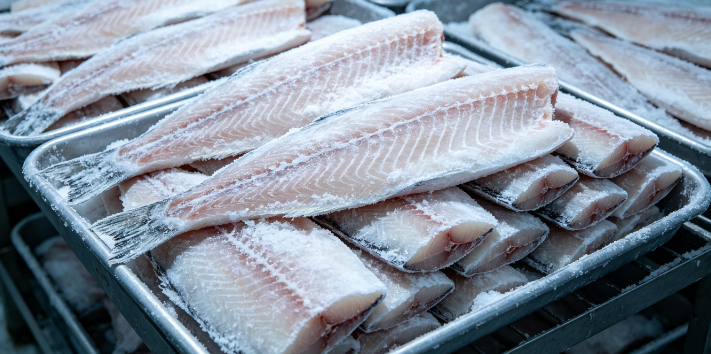
2. For medium-term storage (1-3 months)
-18℃ is the internationally recognized standard freezing temperature. This temperature effectively inhibits microbial activity and enzymatic reactions. As a result, most saltwater and freshwater fish maintain their basic quality. However, it's important to note that frequent opening and closing of ordinary freezers can cause temperature fluctuations of ±2℃ or more. These fluctuations accelerate fat oxidation. They also lead to browning and a dry texture in the fish. Therefore, we should choose products with high temperature control precision. In particular, this ensures the fish freezer temperature remains consistent.
3. For high-end sashimi-grade seafood (such as tuna and salmon) or long-term storage (over 6 months)
ultra-low temperature freezing at -40℃ or even -60℃ is required. Experimental data from Aucma's -60℃ freezer shows that ultra-low temperatures allow fish to quickly pass through the maximum ice crystal formation zone of -1℃ to -5℃. As a result, the resulting tiny ice crystals do not puncture cell membranes. For example, bluefin tuna stored at -60℃ for two months and then thawed still retains a rich, oily aroma and a texture close to freshly caught. In addition, the juice loss rate is more than 50% lower than that stored at -18℃. Consequently, selecting the right fish freezer temperature is crucial for preserving quality.
Regardless of the temperature selected, ensure the freezer temperature is stable, avoid repeated thawing and freezing, and ensure proper sealing to prevent odor transfer and shrinkage. As a reminder, maintaining the optimal fish freezer temperature is essential for food safety and flavor retention.
Welcome to inquiry about products related to walk in freezer, condensing unit, and panels.
You also can check our Tiktok, Youtube, Instagram channel for more video show. Don't forget to follow us for updates and tips about fish freezer temperature and preservation technology.