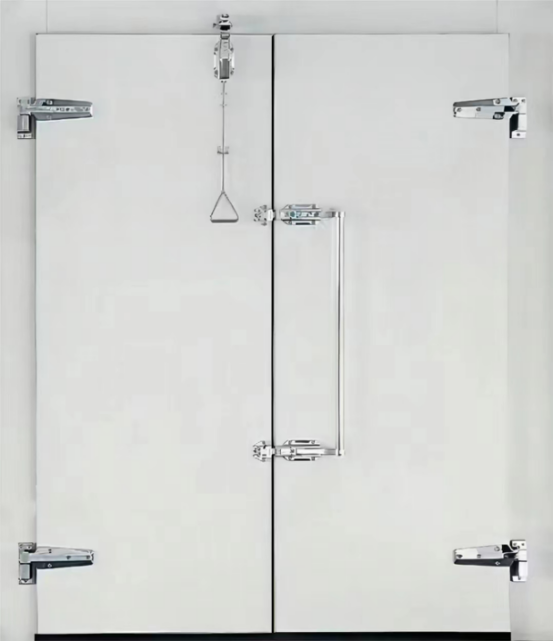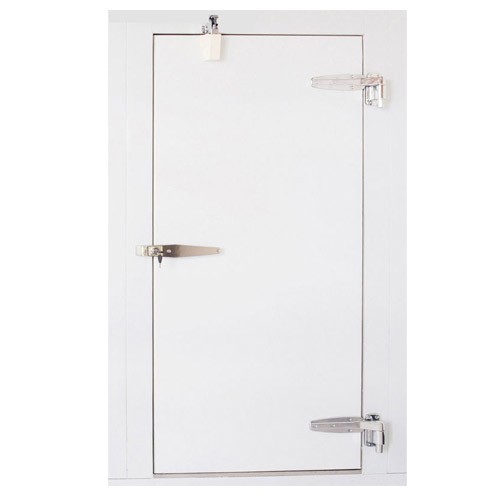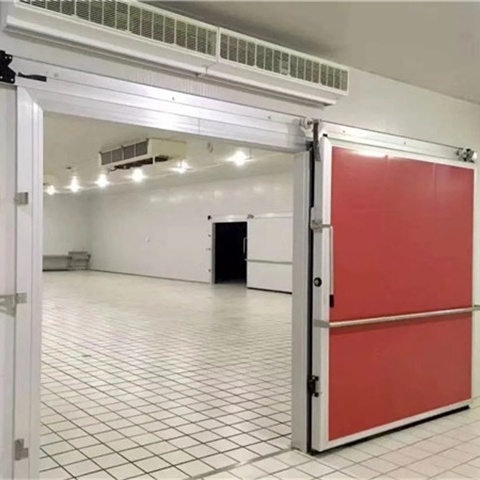
A refrigerated warehouse is a temperature-controlled storage facility designed to preserve the quality and extend the shelf life of perishable goods by maintaining specific temperature ranges. It is a core component of the cold chain. These warehouses serve a wide range of products, from fresh produce and dairy to frozen meat, seafood, and pharmaceuticals.

1. Primary Temperature Zones
The most fundamental way to understand how a warehouse operates for refrigeration is by its temperature classification. In fact, these specific primary temperature zones are crucial to the proper functioning of any refrigerated warehouse that stores perishable items. Thus, the stored product's characteristics fully determine the right zone.
A. Chilled / Cooler Storage (typically +2°C to +8°C)
Warehouse refrigeration setups commonly use this temperature range. It serves fresh fruits, vegetables, dairy products, and some pharmaceuticals. Therefore, the goal is to slow bacteria and enzyme activity without freezing delicate items like leafy greens.
B. Meat & Fish Storage (typically –1°C to +2°C)
Warehouse operators often store products that need cooling but must not freeze in refrigerated zones dedicated to fresh fruits, vegetables, dairy products, and some pharmaceuticals. The goal is to slow down microbial growth and enzymatic processes without causing frost damage to sensitive items like leafy greens.
C. Frozen Storage (typically –18°C to –24°C)
Every industrial refrigerated warehouse includes this long-term preservation zone as a standard feature. Therefore, at these temperatures, microbial growth is virtually halted, which allows for the storage of ice cream, frozen vegetables, meat, and seafood for extended periods. Maintaining a consistent temperature is critical, as even brief fluctuations can compromise quality.
2. Key Facility Types & Features
Beyond simple temperature zones, warehouse refrigeration facilities come in various configurations. Generally, a modern refrigerated warehouse has different features designed for specific logistics or product needs.
A. Standard Refrigerated & Freezer Warehouses
These are the most common warehouse facility types, often combining chilled and frozen sections under one roof to accommodate mixed product lines. So, a standard cold storage warehouse needs thick insulation and strong cooling systems. Thus, these features keep cold air in and warm air out.
B. Port-Centric Warehouses
Located directly adjacent to ports, these facility types serve even global logistics. Specifically, modern refrigerated warehouses situated at ports integrate services like import/export and brokerage. As a result, they move temperature-sensitive goods seamlessly across borders.
C. Automated Warehouses
Cutting-edge automation now empowers the refrigerated warehouse sector, with robotics and AI streamlining the receiving process and product placement. As a result, this can mean faster turn times and higher density storage. Most importantly, products are always kept at the specified temperature with minimal human intervention in these advanced refrigerated warehouse settings.
D. Containerized / Modular Cold Rooms
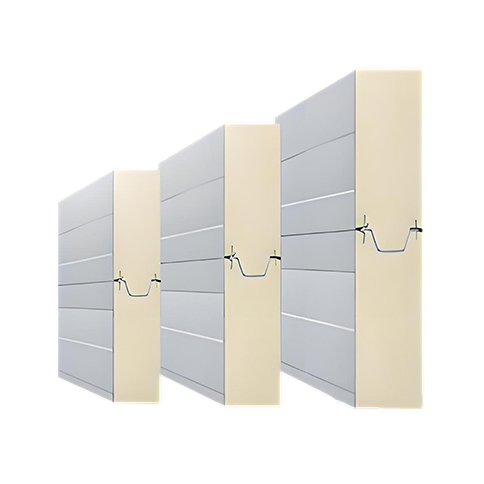
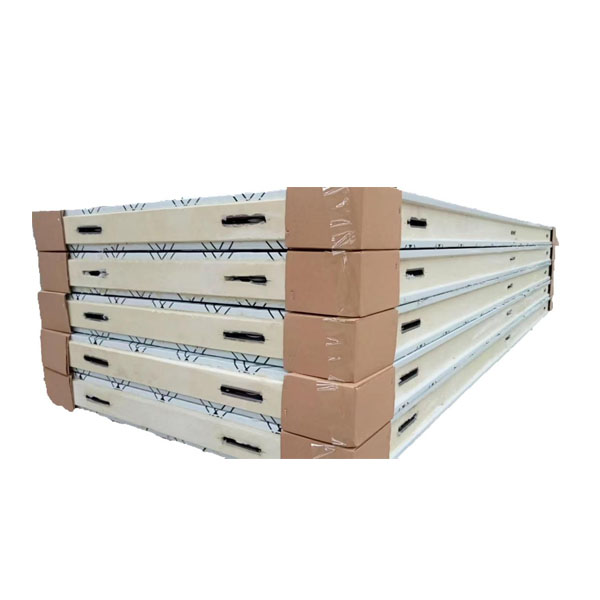
Also, for flexible or remote storage, the industry often uses modular units or warehouses made from insulated panels or shipping containers. These allow quick transport and installation wherever a cold storage warehouse is required. This is useful whether for temporary sites or remote distributions.
3. Refrigerated Warehouse Core Components & Operation
Regardless of type, every refrigerated warehouse depends on core operational components: insulation, efficient refrigeration, and modern monitoring to keep goods safe. Thus, these features distinguish a high-quality refrigerated warehouse from standard storage buildings.
- Insulated Envelope: The walls, floor, and ceiling are constructed with high-performance insulation (often polyurethane panels) to minimize thermal loss.
- Refrigeration System: This includes compressors, condensers, and evaporators that work continuously to remove heat from the storage space.
- Monitoring & Control: Modern facilities use intelligent monitoring systems to track temperatures in real-time. This ensures compliance with safety standards and provides traceability, which is especially crucial for pharmaceuticals and food safety.
If you are looking for a product introduction for Tianqiao, or need details on cold storage (like panel thickness or compressor brands), please let me know and I can tailor the information further. Just mention your interest in the refrigerated warehouse options you need reviewed.
Welcome to inquiry about products related to walk in freezer, condenser, and panels.
You also can check our Tiktok, Youtube, Instagram channel for more video show.